Nigerians React as Edo Governor, Okpebholo Says Peter Obi Is Responsible for Electricity Blackout in His State
Benin City, Nigeria — Edo State Governor Monday Okpebholo has stirred controversy after suggesting that former presidential candidate Peter Obi bears responsibility for the prolonged electricity blackout affecting parts of Edo State.
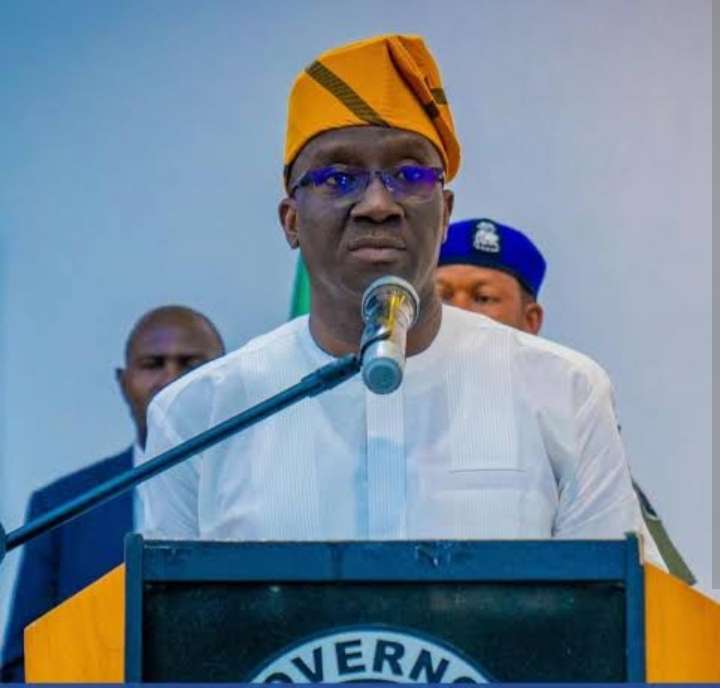
The governor made the remark while addressing residents and youths protesting the persistent power outages linked to the Benin Electricity Distribution Company in Benin City. Residents had gathered at the popular Ring Road area to protest what they described as continuous blackouts, estimated billing, and the high cost of prepaid meters.
During his address, Okpebholo explained that the Edo State government has limited control over the electricity distribution company, noting that BEDC is privately owned and that the state holds only a small stake in the firm.
He further suggested that the financial structure behind the company could be linked to interests associated with Fidelity Bank, implying that those connected with the bank may have influence over the electricity distribution network in the region.
Obi previously served as chairman of Fidelity Bank and has often been associated with the institution’s growth, although he has repeatedly stated that the bank has hundreds of thousands of shareholders and is not owned by him personally.
Protests Over Blackout
The protest in Benin City was sparked by worsening electricity supply across Edo communities, with demonstrators carrying placards reading “No Light, No Bill” and “Edo People Say No to Estimated Billing.”
Governor Okpebholo, who reportedly stopped after seeing the gathering while driving past, expressed solidarity with the protesters and promised to engage stakeholders to address the electricity challenges affecting both urban and rural communities in the state.
He also announced plans to convene a meeting with stakeholders and explore ways of liberalising the electricity distribution sector to attract more investors and reduce the perceived monopoly in the state’s power supply chain.
Mixed Reactions from Nigerians
The governor’s comments quickly triggered strong reactions on social media, with many Nigerians questioning the logic of linking Obi to the electricity challenges in Edo State.
Critics argued that electricity distribution companies operate under federal regulations and private ownership structures, making it difficult for a single individual to directly influence power supply in a state.
Others described the statement as politically motivated, especially given the intense rivalry between supporters of the ruling All Progressives Congress and Obi’s supporters in the Labour Party.
However, some supporters of the governor defended his remarks, saying he was merely highlighting the complex ownership and financial relationships behind Nigeria’s electricity distribution sector.
Political Tension Ahead of 2027
The controversy comes amid growing political tension across Nigeria ahead of the 2027 general elections, with Obi remaining one of the most prominent opposition figures since the 2023 presidential race.
Observers say the latest comments from the Edo governor may further deepen political divisions and spark more debate about responsibility for infrastructure and service delivery across Nigerian states.