Why Obi’s Name Is Suddenly Echoing in Northern Political Circles
As Nigeria’s political landscape gradually tilts toward the 2027 general elections, an unexpected name is beginning to gain renewed traction across parts of the North — Peter Obi.
In recent weeks, subtle but noticeable shifts in political conversations, stakeholder meetings, and grassroots discussions suggest that the former Labour Party presidential candidate is no longer seen as just a regional or “Southern” political figure.
Rising Speculation and Political Undercurrents
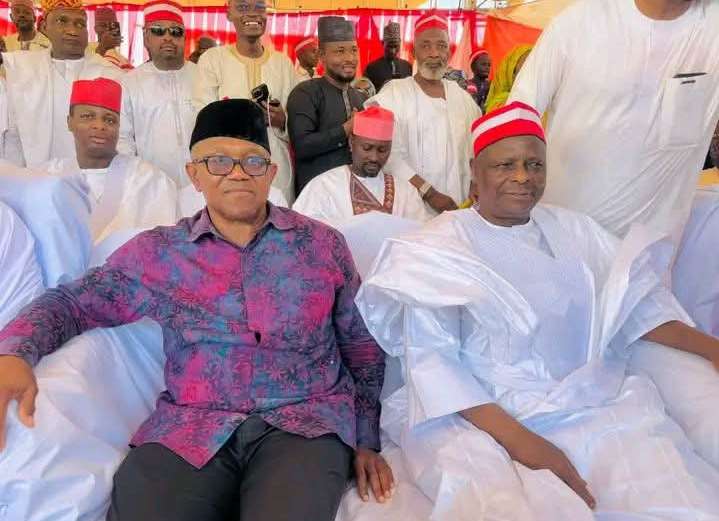
While no official statement has confirmed any major realignment, growing speculation around a possible alliance between Peter Obi and former Kano State governor, Rabiu Musa Kwankwaso, is fueling conversations across political camps.
Insiders hint at quiet consultations and strategic engagements aimed at building a formidable coalition capable of challenging the status quo in 2027.
Though details remain sketchy, what is clear is that both men command loyal followings in different regions — a factor analysts say could reshape Nigeria’s political arithmetic if properly aligned.
Northern Sentiment: A Shift in Perception?
Traditionally, political loyalty in the North has been deeply rooted in established party structures.
However, emerging conversations suggest a gradual shift in how some northern voters perceive alternative candidates.
Obi’s emphasis on economic reform, governance accountability, and youth inclusion appears to be resonating beyond his traditional support base.
Political observers note that while younger voters in the North are becoming more issue-driven rather than identity-driven, economic hardship is influencing new political thinking and social media is playing a key role in bridging regional political narratives
These factors combined are contributing to what many now describe as “a quiet but growing acceptance” of Obi in northern discourse.
Kwankwaso Factor: The Strategic Link
Any serious northern political conversation inevitably circles back to Kwankwaso’s influence, particularly in Kano and surrounding regions.
His grassroots movement and political structure remain one of the strongest in the North.
This is why talk of a possible Obi–Kwankwaso alignment continues to generate buzz, even without formal confirmation.
Analysts believe that uch a partnership could create a North–South political bridge, consolidate youth and protest votes
that could significantly alter the 2027 electoral map
Rumours, Reality, and Political Messaging
Amid the growing conversations, unverified reports and social media claims have also surfaced, suggesting heightened enthusiasm for Obi in unexpected quarters.
However, it is important to separate political signals from outright claims, as no credible report has confirmed dramatic incidents such as organised public endorsements within key northern political strongholds.
What these rumours do indicate, however, is something deeper — a shifting narrative and rising curiosity around Obi’s political relevance in the North.
2027: Too Early or Already Taking Shape?
With more than a year to go before major political alignments fully crystallise, many believe it is still early days.
Yet, history has shown that Nigeria’s biggest political coalitions often begin as quiet conversations long before they become public declarations.
If current signals are anything to go by, the conversation around Peter Obi in northern political circles may just be the beginning of a larger realignment.
Whether driven by strategy, sentiment, or speculation, one thing is becoming increasingly clear:
Peter Obi’s political relevance is expanding beyond previous boundaries — and the North is beginning to take notice.
As 2027 approaches, the question may no longer be if new alliances will emerge, but how powerful they will be when they finally take shape.