“Grief or Politics?” Nigerians React as Peter Obi Condemns Maiduguri Bombings
Nigeria is once again in mourning following devastating explosions in Maiduguri that reportedly left several people dead and over a hundred others injured.
The attacks, which occurred in crowded civilian areas including markets and near hospitals, have reignited national concern over the country’s worsening security situation.
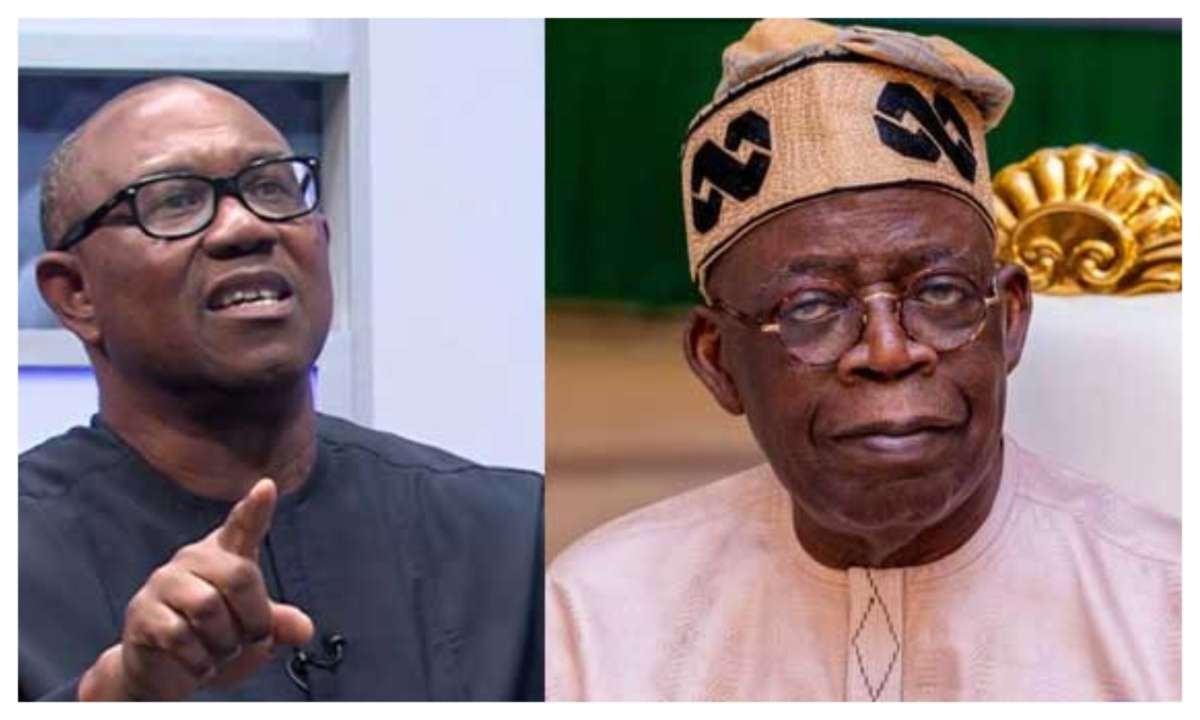
In response to the tragedy, former presidential candidate Peter Obi issued a strongly worded statement condemning the attacks and calling for urgent action from the government.
Peter Obi: “A Nation Under Siege”
Obi described Nigeria as “a nation under siege,” lamenting what he called the government’s failure to prioritize the protection of lives and property.
He highlighted a disturbing pattern of insecurity across several states, including Kwara, Nasarawa, Kogi, Plateau, Sokoto, Benue, and even the Federal Capital Territory.
According to him, the growing reports of communities being forced to pay “peace taxes” to armed groups—particularly in parts of Katsina—underscore the severity of the crisis.
Obi stressed that such a national emergency demands immediate leadership presence and decisive action, urging authorities to focus on safeguarding citizens rather than engaging in less critical activities.
He concluded with a message of hope and solidarity:
“May God grant eternal rest to the departed, comfort the bereaved, and provide strength and healing to all affected. A new Nigeria is possible.”
Mixed Reactions Trail Obi’s Statement
However, Obi’s message sparked mixed reactions on X (formerly Twitter), with Nigerians divided over whether his statement was purely empathetic or politically motivated.
One user, @Dacosta150, criticized the tone and timing of the message, arguing that such statements often blur the line between genuine concern and political positioning.
According to the user, insecurity in Nigeria is a long-standing issue that spans multiple administrations—from Goodluck Jonathan to Muhammadu Buhari and now Bola Ahmed Tinubu—and should not be reduced to one-sided narratives.
“Every time something bad happens, you rush to write emotional essays and attach leadership failure… If you really care, focus on facts, consistency, and solutions,” the user wrote.
Others Call for Urgent Action, Not Debate
In contrast, another user, @Bashdmagic, defended the need for strong voices during moments of national tragedy, emphasizing the human cost of insecurity.
The user described the situation as “heartbreaking and deeply troubling,” warning against the normalization of violence and loss of innocent lives.
“The lives lost are not just statistics—they are families, dreams, and futures cut short. Nigeria deserves safety, peace, and leadership that puts its people first.”
A Familiar National Divide
The reactions highlight a recurring pattern in Nigeria’s public discourse—where expressions of grief are often viewed through a political lens.
While some Nigerians believe leaders and public figures must speak out and hold the government accountable, others argue that such moments should not be used, directly or indirectly, for political messaging.
The Bigger Question
Beyond the debate, one issue remains clear: insecurity continues to threaten lives across the country, from the Northeast to the North Central and beyond.
As Nigerians mourn the victims of the Maiduguri attacks, many are left asking:
Will these conversations lead to real solutions, or will they fade like many before them?
At a time when the nation is grieving, the focus for many Nigerians remains simple—justice for victims, protection for citizens, and a renewed commitment to ending the cycle of violence.
Whether seen as political or compassionate, voices like Obi’s—and the reactions they generate—reflect a country still searching for answers in the face of persistent insecurity.