The Minister of Power, Adebayo Adelabu, has issued a public apology to Nigerians following widespread outrage over the persistent and worsening electricity outages across the country.
Speaking during a press briefing in Abuja on Tuesday, the minister acknowledged the hardship caused by the epileptic power supply, particularly amid rising temperatures and increased energy demand nationwide.
Minister Admits Failure, Promises Improvement
Adelabu described the current situation as “temporary” but admitted that it has severely affected homes, businesses, schools, and industries.
“I want to apologise to Nigerians… for this temporary issue that is leading to hardship,” he said
He attributed the power crisis largely to gas supply shortages, noting that about 75% of Nigeria’s power plants depend on gas, making the sector highly vulnerable to disruptions.
The minister further revealed that:
Ongoing gas pipeline repairs are affecting electricity generation
A government committee has been set up to monitor gas supply compliance
Improved payment structures are being introduced to incentivize suppliers
Adelabu assured Nigerians that power supply would begin to improve within two weeks, once key repairs are completed and supply stabilizes.
Structural Issues Behind Nigeria’s Power Crisis
The apology has once again brought attention to long-standing structural challenges in Nigeria’s power sector, including:
Inadequate gas supply to generation companies
Aging infrastructure and poor maintenance
Transmission bottlenecks
Liquidity challenges across the electricity value chain
Despite these issues, the Federal Government says it is targeting 6,000 megawatts of electricity generation before the end of 2026.
Nigerians React: “We Need Power, Not Apologies”
Following the minister’s apology, Nigerians took to social media to express frustration, skepticism, and anger over the recurring power crisis.
Many Nigerians said apologies are no longer enough, demanding tangible improvements
Small business owners lamented losses due to unreliable electricity. Some citizens doubted the two-week timeline promised by the minister
Others blamed successive governments for failing to fix the sector
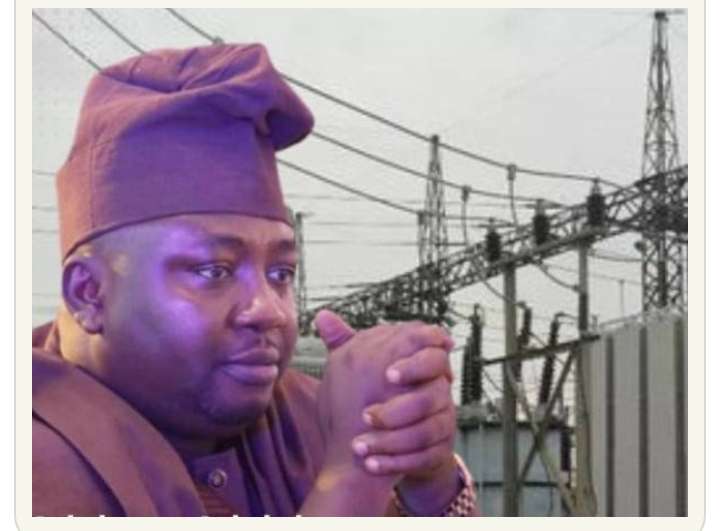
Across platforms like X (formerly Twitter) and Facebook, reactions reflected a common sentiment: “Nigeria needs stable electricity, not repeated promises.”
Impact on Businesses and Daily Life
The ongoing power outages have had far-reaching consequences which includes
Increased dependence on fuel-powered generators, rising cost of doing business, disruptions in schools and hospitals, reduced productivity across industries among others.
With inflation already squeezing households, the erratic power supply is further worsening economic hardship for millions of Nigerians.
What Happens Next?
While the minister’s apology signals government awareness of the crisis, the real test lies in delivery of the promised improvements.
Energy analysts say that without addressing the root causes—especially gas supply reliability and infrastructure investment—Nigeria’s power challenges may persist.
Nigeria power outage, Adebayo Adelabu apology, epileptic power supply Nigeria, electricity crisis Nigeria 2026, Nigerian power sector news, blackout Nigeria today
Final Take
The apology by the Power Minister may have acknowledged the pain Nigerians are experiencing, but public patience is wearing thin.
As the two-week deadline approaches, citizens will be watching closely to see whether this promise translates into real and lasting electricity stability.