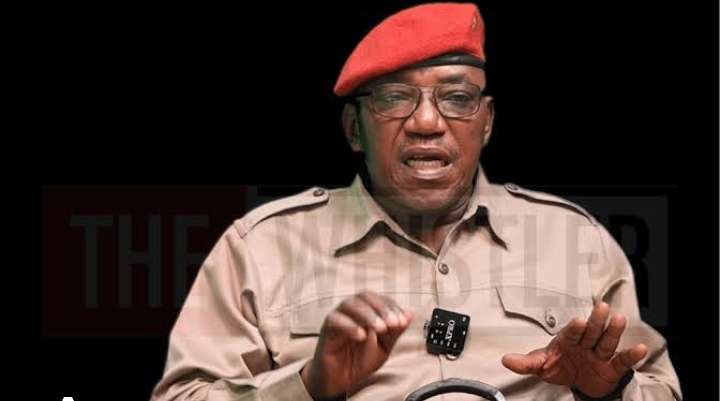
Plateau State, once proudly known as the “Home of Peace and Tourism,” now stands at a crossroads. In a deeply reflective piece, former Minister Solomon Dalung raises a pressing question: what truly happened to Plateau?
For decades, Jos symbolized unity, peace, and cultural harmony. From the 1970s through the early 1990s, the city thrived as a commercial and tourism hub, attracting people from across Nigeria and beyond. Its cool climate, scenic beauty, and welcoming atmosphere made it a destination of choice for visitors and investors alike.
A Legacy of Unity and Prosperity
According to Dalung, Jos was more than just a city—it was a symbol of coexistence. Christians and Muslims lived side by side in peace, with major religious institutions flourishing alongside one another.
The city’s social life was vibrant, featuring cinemas, music, and sports. Businesses thrived, multinational companies operated successfully, and modern shopping centres made life comfortable for residents.
Plateau’s rich history as a tin mining hub also attracted diverse ethnic groups, transforming it into a miniature Nigeria built on shared progress and inclusiveness.
The Turning Point
However, Dalung laments that this legacy has been steadily eroded. Since the early 2000s, Plateau has experienced recurring tensions that have altered its identity and weakened the bonds that once held its people together.
Communities that once coexisted peacefully are now divided by suspicion and distrust. The “indigene-settler” divide, he notes, has further complicated relationships among residents.
Leadership and Collective Failure
Dalung points to leadership failures as a major factor in Plateau’s decline. He argues that political actors have often prioritized personal and group interests over unity and development.
Rather than addressing core issues such as poverty, unemployment, and education, attention has been diverted to ethnic and religious narratives. This, he suggests, has deepened divisions instead of resolving them.
At the same time, he emphasizes that the responsibility is collective. According to him, Plateau’s challenges cannot be blamed on any single group, but rather on a shared failure to uphold justice and fairness.
A Generation at Risk
One of Dalung’s strongest concerns is the impact on young people. He warns that many youths, once full of promise, are now growing up in an environment shaped by division and limited opportunities.
He stresses the need to redirect their energy toward education, skills development, and nation-building, rather than allowing them to be influenced by negative forces.
The Way Forward
Despite the challenges, Dalung remains hopeful. He outlines key steps needed to restore Plateau’s lost glory:
Promote justice and fairness for all citizens
Strengthen security and protect lives and property
Create economic opportunities to reduce poverty
Invest in education and youth development
Encourage unity across ethnic and religious lines
Above all, he calls for a return to the values that once defined Plateau—tolerance, mutual respect, and peaceful coexistence.
A Call to Rebuild
Dalung’s reflection is not just a critique—it is a call to action. He urges the people and leaders of Plateau to rise above division and work together to rebuild the state.
The question remains: what happened to Plateau?
But more importantly, the answer lies in what must be done next.
If the right steps are taken, Plateau can once again become a beacon of peace, unity, and progress—not just in Nigeria, but across Africa.