‘I Agree With Peter Obi’ — Ndume Backs Obi on Fuel Subsidy, Calls Some Tinubu Aides ‘Kakistocrats’
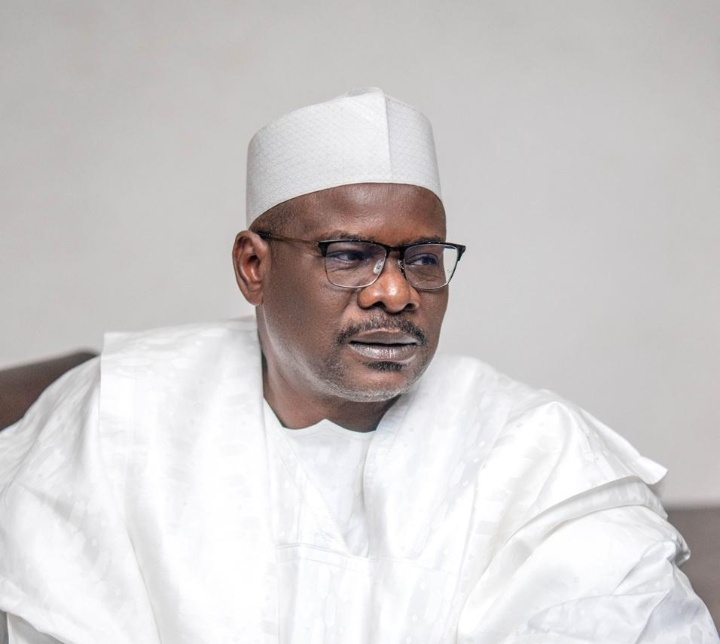
The 2027 presidential race is already producing unlikely points of agreement, with Senator Ali Ndume, a prominent member of the ruling All Progressives Congress (APC), throwing his weight behind Peter Obi’s position on the controversial fuel
subsidy debate.
Ndume’s comments come as former Vice President and African Democratic Congress (ADC) presidential candidate, Atiku Abubakar, has made the return of petrol subsidy a major part of his 2027 campaign message.
Atiku has repeatedly insisted that, if elected president, he would restore a targeted fuel subsidy to reduce transportation costs, improve purchasing power and cushion Nigerians from the rising cost of living. He restated the position on August 25, saying his stance “has not changed and will not change.”
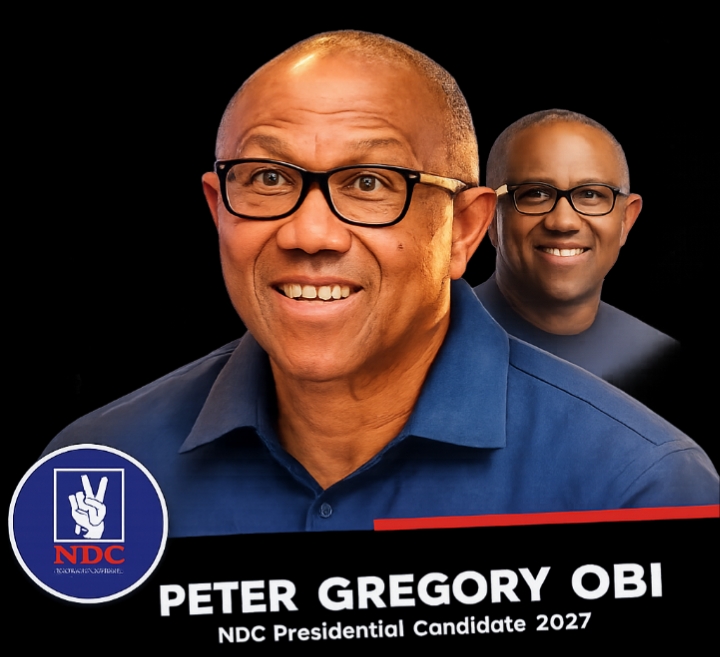
But Peter Obi has taken a different position.
Obi has argued that removing the subsidy was necessary, but that the savings released by the policy should have been properly managed and invested in ways that would benefit Nigerians.
According to him, mismanagement of the proceeds is not sufficient reason to reverse the policy.
It is this position that Ndume has reportedly expressed agreement with.
‘I agree with Obi’
Ndume’s intervention is significant because he is not an opposition politician. He is an APC senator representing Borno South and has repeatedly criticised aspects of the Tinubu administration while remaining within the governing party.
His position effectively introduces another dimension into the 2027 subsidy debate.
The question, according to Ndume’s argument, should not simply be whether Nigerians need relief from high fuel and transportation costs. It should also be how such relief is structured, who controls the money and whether the system can be protected from corruption and abuse.
That is close to the argument Obi has been making.
Obi has maintained that Nigeria should have removed the subsidy in an organised manner and then transparently invested the savings in productive sectors, infrastructure, security, education and other areas capable of improving citizens’ lives.
Atiku wants subsidy back
Atiku, however, is taking the opposite route.
The former vice president has argued that Nigerians have not seen sufficient benefits from the removal of subsidy and that the resources supposedly freed by the policy have not translated into meaningful improvements in their standard of living.
His proposed solution is a targeted subsidy, rather than a return to what he describes as the old import-dependent system.
Atiku says his intention is not to restore an “import racket” but to provide relief to Nigerians, reduce energy and transportation costs and restore purchasing power.
His proposal has already generated fierce criticism from the APC and other political actors, who accuse him of abandoning the position he held during the 2023 presidential campaign.
During that campaign, Atiku supported subsidy removal and argued that the policy was unsustainable. His present position therefore represents a significant change in his political messaging.
Ndume launches another attack on Tinubu’s inner circle
Beyond the subsidy controversy, Ndume has also delivered another blunt assessment of the people surrounding President Bola Tinubu.
The senator said the President has “so many kakistocrats dominating the presidency”, warning that they could continue to undermine the administration unless Tinubu takes decisive action.
A kakistocracy means government by people regarded as the least qualified or least suitable to govern.
Ndume’s criticism was particularly striking because he linked the problem to the competence of officials around the President.
He argued that some of the problems embarrassing the administration could have been avoided if the President were surrounded by more capable hands.
He cited the recent discovery of a fake government agency as an example, noting that an investigation by the Independent Corrupt Practices and Other Related Offences Commission (ICPC) led to the suspension of a permanent secretary in the Presidency.
For Ndume, the issue is bigger than one scandal.
His argument is that the quality and competence of the people around the President ultimately affect the performance and reputation of the entire administration.
From subsidy to ‘kleptocracy’
Ndume has also used the word “kleptocrats” in his broader criticism of governance.
A kleptocracy is a system in which those in power are accused of using public resources for personal enrichment.
The senator’s choice of words is therefore politically explosive, particularly because it comes from within the ruling party.
His message to Tinubu appears straightforward: the President cannot successfully defend every decision of his administration if the people around him continue to generate controversies and undermine public confidence.
Why this matters for 2027
The subsidy argument could become one of the defining economic issues of the 2027 presidential election.
Tinubu’s administration maintains that subsidy removal was necessary and has freed substantial resources for the government and the federation.
Atiku argues that Nigerians are the ultimate beneficiaries of government and that policies must be judged by what happens to the purchasing power of ordinary citizens.
Obi’s position sits somewhere else: he maintains that subsidy removal itself was necessary but insists that the resources released must be transparently and productively deployed.
Ndume’s latest intervention therefore gives Obi an unusual political boost—not necessarily as an endorsement of Obi’s entire presidential ambition, but as an acknowledgment from an APC senator that Obi’s position on the fundamental subsidy question deserves support.
And that could become increasingly important as Nigerians enter the 2027 campaign season.
For millions of voters, the debate will ultimately come down to a simple question:
Should Nigeria return to subsidising petrol, or should government eliminate the subsidy and ensure that the savings are transparently invested in ways that make life cheaper and better for citizens?
With Atiku promising to bring back targeted subsidy and Obi insisting that the problem is the mismanagement of the proceeds, the two opposition heavyweights are offering Nigerians markedly different economic prescriptions.
And now, with Ndume saying he agrees with Obi on the issue, the subsidy debate has acquired a new political twist.
2027 may therefore not only be a contest over who becomes president.
It may also be a referendum on what kind of economic system Nigerians want after the painful reforms of the Tinubu years.