Brigadier General Musa Abubakar Sadiq: From Decorated Army Officer to Central Figure in Confirmed Coup Plot Against President Tinubu
Brigadier General Musa Abubakar Sadiq: A Military Career & Controversy
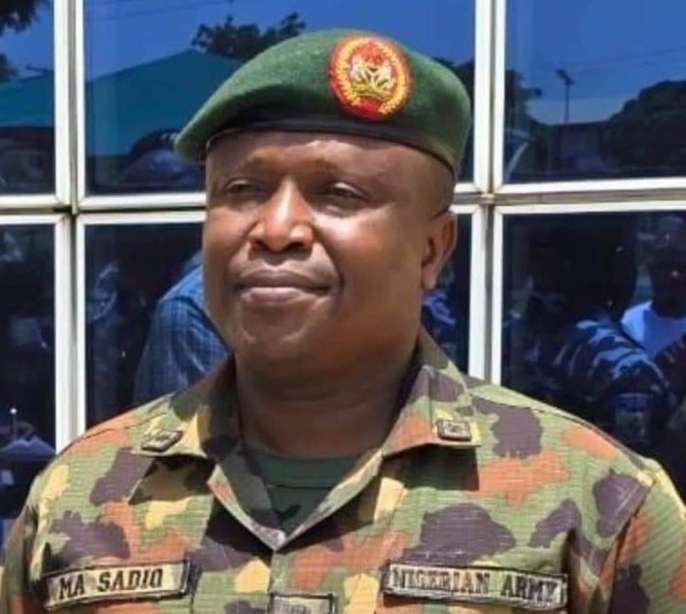
Brigadier General Musa Abubakar Sadiq, 49, has emerged at the centre of one of Nigeria’s most significant military security investigations in recent history, as the Armed Forces confirm that an alleged coup plot against President Bola Ahmed Tinubu’s government in October 2025 was real and that officers implicated will face trial.
Early Life and Rise Through the Ranks
Born on 3 January 1974 in Nasarawa State, Sadiq was admitted to the Nigerian Defence Academy (NDA) on 14 August 1992, graduating in 1997 as part of Regular Course 44. Over nearly three decades, he held key commands in the Nigerian Army and rose steadily through the ranks to become a brigadier general, entrusted with significant operational responsibilities.
His career included roles such as brigade commander and garrison leadership duties — postings that reflected confidence in his leadership and experience within the Nigerian military.
From Military Leadership to Disciplinary Trouble
Long before he was linked to the alleged coup, Sadiq’s career was marred by internal disciplinary investigations. In 2024, military authorities detained him over alleged diversion of military palliatives meant for soldiers and the unauthorized sale of military equipment such as generators and vehicles — serious breaches of military ethics and conduct regulations.
These earlier inquiries were part of broader concerns about professionalism within the ranks. Still, at the time, they were handled strictly within the military justice and disciplinary framework.
In October 2025, the Defence Intelligence Agency (DIA) arrested 16 military officers — including Brigadier General Sadiq — initially described by the Defence Headquarters (DHQ) as actions taken in response to indiscipline and breaches of service regulations.
Official statements at the time denied any political motive or coup plan.
However, after an extensive investigation by a Special Investigative Panel, the Nigerian military publicly acknowledged in January 2026 that the probe had linked several officers to an attempt to overthrow President Tinubu’s government, and
Officers found to have cases to answer, including Sadiq, would be arraigned before a military judicial panel under the Armed Forces Act and relevant service regulations.
This marked a significant shift from prior official narratives, confirming that the alleged plot was not merely rumor but substantiated enough that the military itself is moving forward with legal processes. The full list of 16 officers now facing proceedings includes a range of ranks across the Army, Navy, and Air Force, with Sadiq as the most senior among them.
What This Means for Nigeria
The military’s confirmation of an attempted coup plot against a sitting president — decades after Nigeria’s return to civilian rule in 1999 — is hugely significant. Nigeria has a long history of military interventions in politics, and any suggestion of a repeat, even one that was foiled or deterred, stokes sensitive national and political concerns.
The ongoing court-martial process, conducted under military law, will determine the fate of Sadiq and his co-accused officers. It is a reminder of the fragility of civil-military relations and the continued importance of discipline and constitutional order within Nigeria’s armed forces.