


NYSC REFORMS.
The Federal Government’s sweeping reform proposals for the National Youth Service Corps (NYSC) have triggered widespread debate across Nigeria, with many citizens welcoming some aspects of the reforms while strongly opposing others, particularly the proposal to place the scheme under civilian leadership and redesign its iconic khaki uniform.
The reforms, recently approved by the Federal Executive Council (FEC), represent the most comprehensive review of the NYSC since its establishment in 1973.
They include extending the orientation camp from three to six weeks, introducing specialised career streams, adopting technology-driven mobilisation, implementing risk-sensitive deployment, redesigning the NYSC uniform, replacing the traditional Passing Out Parade with a graduation ceremony, and appointing a civilian to head the scheme while the military continues to provide security support.
Mixed Reactions Trail the Reforms
More Read

The proposed changes have generated intense conversations on social media and across public forums, exposing deep divisions among Nigerians over the future of the national service scheme.
Many stakeholders have applauded the government’s decision to strengthen entrepreneurship training, digital skills acquisition, and career development for corps members.
They believe these reforms could better prepare graduates for employment and self-reliance in today’s economy.
More Read
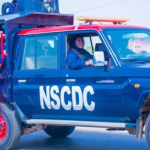
However, two proposals have attracted the strongest criticism: replacing military leadership with civilian operational leadership and changing the traditional NYSC uniform.
Opposition to Civilian Leadership
A significant number of Nigerians argue that the NYSC’s military-style orientation has been central to its identity for more than five decades.
Critics insist that retaining military leadership is important for discipline, order, and security, especially as corps members are deployed across different parts of the country, including areas facing security challenges.
Many social media users expressed concerns that a civilian-led structure could weaken the discipline and organisational culture that have become synonymous with the scheme.
Others noted that although the reforms state that the military will continue to provide security support, they remain unconvinced that removing military operational leadership is in the best interest of the programme.
Uniform Proposal Sparks Debate
More Read
Equally controversial is the proposal to redesign the famous khaki uniform, with discussions initially suggesting the possible introduction of Adire or Ankara-inspired designs.
While some Nigerians welcomed the idea of giving the NYSC a modern cultural identity, many argued that the khaki uniform has become an enduring national symbol that should not be replaced.
Following the public backlash, the Minister of Youth Development, Ayodele Olawande, clarified that no final decision had been taken on adopting Adire or any other fabric.
According to him, such materials were merely examples raised during consultations, and the government has not approved any replacement for the current uniform.
He stressed that any eventual design would emerge from broad stakeholder engagement and would prioritise professionalism, durability, affordability, national identity, and functionality.
Infrastructure Concerns Over Six-Week Camp
Another issue raised by many Nigerians is the planned extension of the orientation camp from three weeks to six weeks.
Supporters believe the additional time will improve leadership development, entrepreneurship training, and vocational skills.
Opponents, however, question whether existing NYSC camps possess adequate accommodation, healthcare, feeding facilities, sanitation, and training infrastructure to support corps members for an extended period.
Government Defends Reform Agenda
The Federal Government maintains that the reforms are designed to modernise the NYSC and make it more relevant to Nigeria’s current economic and developmental realities.
According to the Ministry of Youth Development, the reforms seek to improve employability, strengthen national unity, enhance service delivery, promote entrepreneurship, and ensure safer deployment of corps members through risk-sensitive posting.
The Road Ahead
Although many Nigerians support efforts to modernise the NYSC, the public reaction suggests that any reform affecting the scheme’s military tradition or iconic identity will continue to attract close scrutiny.
With the Minister clarifying that no final decision has yet been made on the proposed uniform, and legal amendments still required before several reforms take effect, consultations with stakeholders are expected to continue in the coming months.
As debate intensifies, the government faces the challenge of balancing innovation with preserving the traditions that many Nigerians believe have defined the NYSC for over five decades.
We are committed to verified, accurate, and responsible journalism.
This report is based on official government statements and verified media reports.
Readers are encouraged to distinguish confirmed decisions from proposals that remain under consultation.