


Why INEC’s Publication of Peter Obi and Kwankwaso’s Credentials Matters Ahead of 2027
The Independent National Electoral Commission (INEC) has published the curriculum vitae (CVs), academic qualifications and other personal credentials submitted by presidential aspirants Peter Obi and Rabiu Musa Kwankwaso as part of the ongoing electoral process.
While the publication has generated widespread reactions on social media, it is important to understand that this is not an endorsement of any candidate.
Rather, it is a constitutional and legal requirement designed to promote transparency in Nigeria’s electoral process.
Why Did INEC Publish Their Credentials?
More Read
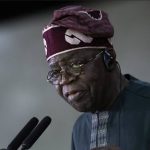
Under Nigeria’s Electoral Act, candidates seeking elective offices are required to submit personal information, educational qualifications and other relevant documents to INEC.
The Commission then displays these documents publicly to allow Nigerians, political parties and interested stakeholders to examine them.
This process gives members of the public the opportunity to verify the authenticity of the information supplied by candidates and, where necessary, challenge any document believed to be false or misleading through the appropriate legal channels.
More Read

What Does It Mean for Peter Obi and Kwankwaso?
The publication indicates that both candidates have successfully submitted the documents required at this stage of the electoral process.
It also signals that their nominations have progressed into the public scrutiny phase, where any objections must be based on evidence and pursued through the law rather than speculation or social media campaigns.
Why It Is Significant
Publishing candidates’ credentials strengthens electoral transparency and accountability. It allows voters to know more about those seeking to govern them while ensuring that the process remains open and subject to public oversight.
For supporters of Peter Obi and Rabiu Kwankwaso, the publication is another procedural milestone in the journey toward the 2027 presidential election. For opponents, it presents the lawful window to raise any legitimate concerns regarding the documents submitted.
More Read
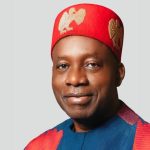
The Bigger Picture
INEC’s action reinforces the principle that elections are governed by law and due process. Every qualified candidate is expected to pass through the same procedure, regardless of political affiliation or popularity.
As Nigeria moves closer to the 2027 general elections, the focus is expected to shift from documentation to campaigns, policy debates and the legal processes that accompany every democratic contest.
The publication of candidates’ credentials is therefore more than a routine administrative exercise—it is a reminder that transparency remains one of the cornerstones of credible elections in Nigeria.