
The Benefits of Daily Exercise Routines
A structured daily exercise routine provides a foundation for a balanced life. It ensures that your body is engaged, your mind is focused, and your spirit is uplifted. As we delve deeper into the myriad benefits of regular exercise, it’s essential to understand that these advantages extend beyond the individual. Communities that embrace active lifestyles often see reduced healthcare costs, increased productivity, and improved quality of life. Let’s explore how daily exercise can transform your physical and mental health, social connections, and overall well-being.
Strength Training: Building a Stronger You
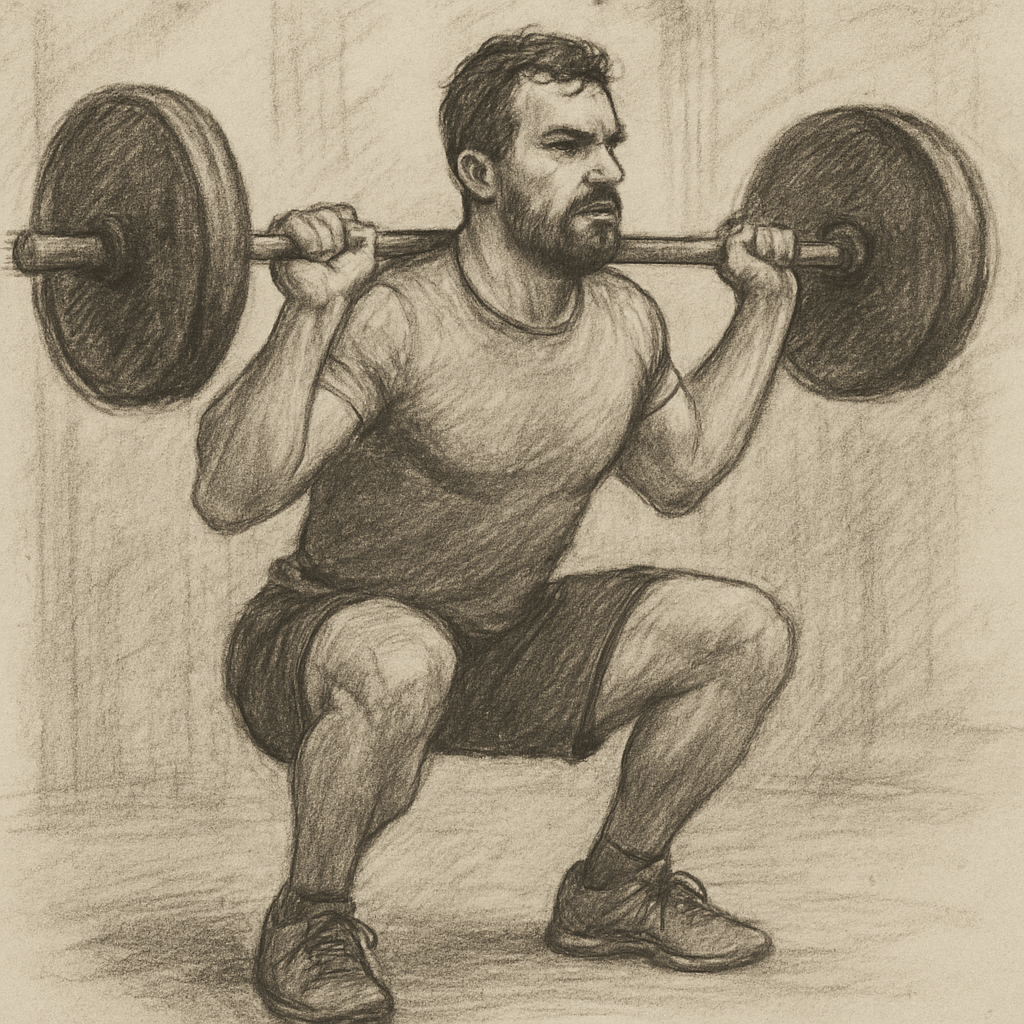
Strength training is a key component of any exercise routine. It involves using resistance to build muscle strength and endurance. This form of exercise not only helps in toning your muscles but also enhances bone density, reducing the risk of osteoporosis as you age. By incorporating exercises such as weightlifting, push-ups, or resistance band workouts into your routine, you can significantly improve your overall physical strength. This improved strength translates into better performance in daily tasks, reducing the likelihood of injury and enhancing your overall quality of life.
Strength training also plays a crucial role in boosting your metabolism. As you build more muscle, your body becomes more efficient at burning calories, even at rest. This can be particularly beneficial for those looking to manage their weight or improve their body composition. Additionally, a higher metabolic rate means you have more energy throughout the day, allowing you to tackle tasks with greater vigor and enthusiasm. The benefits of strength training are multifaceted, contributing to a more robust and resilient body that can withstand the challenges of everyday life.
Cardiovascular Exercise: Heart Health and Beyond
Cardiovascular exercises, such as running, cycling, or swimming, are essential for maintaining a healthy heart. These exercises increase your heart rate, improving circulation and reducing the risk of heart disease. Regular cardio workouts can also help in lowering blood pressure and cholesterol levels, contributing to overall cardiovascular health. By engaging in these activities, you promote a more efficient heart function, ensuring that your body receives the necessary oxygen and nutrients it needs to thrive.
Engaging in cardiovascular exercise also releases endorphins, often referred to as the “feel-good” hormones. This can lead to improved mood and reduced symptoms of anxiety and depression, making it an excellent choice for mental well-being as well. Furthermore, regular cardio can enhance your lung capacity and endurance, allowing you to engage in physical activities with greater ease and enjoyment. The ripple effects of improved cardiovascular health extend to enhanced cognitive function, better sleep, and a more vibrant and energetic lifestyle.
Mental Health Benefits

Exercise and Stress Reduction
Exercise is a natural stress reliever. When you engage in physical activity, your body releases chemicals that help reduce stress and anxiety levels. Activities such as yoga or tai chi, which combine physical movement with mindfulness, are particularly effective in promoting relaxation and mental clarity. These practices encourage a mind-body connection, allowing you to focus on the present moment and let go of stressors. As a result, you can approach daily challenges with a calmer and more composed mindset.
Regular exercise can also improve sleep quality, which is often disrupted by stress and anxiety. By maintaining a consistent exercise routine, you can ensure a more restful night’s sleep, leaving you feeling refreshed and energized for the day ahead. Improved sleep contributes to better mood regulation, increased productivity, and a stronger immune system. The cumulative effect of exercise on stress reduction and sleep quality creates a positive feedback loop, enhancing overall mental and physical health.
Boosting Self-Confidence
Exercise can have a positive impact on self-esteem and body image. As you work towards your fitness goals and notice improvements in your strength, endurance, and overall appearance, your confidence is likely to increase. This newfound self-confidence can extend beyond the gym, positively influencing various aspects of your life, including work and personal relationships. Increased self-esteem can lead to a greater willingness to take on new challenges and pursue opportunities that you might have previously shied away from.
The process of setting and achieving fitness goals can also foster a sense of accomplishment and empowerment. As you overcome obstacles and push past limits, you develop a resilient mindset that is invaluable in all areas of life. Exercise becomes a tool for personal growth, enabling you to cultivate a stronger sense of self-worth and belief in your abilities. This transformation in self-perception enhances your interactions with others and contributes to a more fulfilling and confident life.
The Principle of Phage Typing in Exercise
While the concept of phage typing is traditionally associated with microbiology, it can be metaphorically applied to exercise routines. Just as phage typing involves the use of bacteriophages to identify bacterial strains, exercise routines can be tailored to target specific areas of the body or fitness goals. This targeted approach allows for more efficient and effective workouts, ensuring that each session is aligned with your specific objectives.
For instance, if your goal is to build upper body strength, you might focus on exercises such as pull-ups or bench presses. Similarly, if you aim to improve cardiovascular endurance, you might incorporate more running or cycling into your routine. This targeted approach ensures that your exercise plan is effective and aligned with your personal fitness objectives. By customizing your workouts, you maximize the benefits of each session and avoid the pitfalls of a one-size-fits-all approach.
Moreover, understanding the principle of phage typing in exercise can help prevent burnout and overtraining. By varying your routine and focusing on different muscle groups or fitness components, you keep your workouts fresh and engaging. This approach not only improves physical results but also maintains your motivation and enthusiasm for regular exercise. Tailoring your routine to your unique needs and preferences ensures long-term adherence and success in achieving your fitness goals.
Social Benefits of Exercise

Building a Supportive Community
Exercise can be a social activity that fosters community and camaraderie. Joining a fitness class, sports team, or running group provides an opportunity to meet like-minded individuals who share similar health and fitness goals. This sense of community can be motivating and encouraging, making it easier to stay committed to your exercise routine. The bonds formed in these settings often extend beyond the gym or field, leading to lasting friendships and support networks.
Participating in group activities also introduces a social accountability factor. When you know others are counting on you to show up, you are more likely to maintain your commitment to regular exercise. This shared experience creates a sense of belonging and purpose, enhancing your overall well-being. The social aspects of exercise contribute to a positive and supportive environment that fosters personal growth and achievement.
Accountability and Motivation
Working out with a partner or group can enhance your motivation and accountability. When you know someone else is counting on you to show up, you are less likely to skip your workout. Additionally, having a workout buddy can make exercise more enjoyable, turning it into a fun and engaging experience rather than a chore. The shared journey towards fitness goals creates a sense of camaraderie and mutual support, making the process more rewarding and fulfilling.
Moreover, exercising in a group can introduce a healthy competitive spirit, pushing you to perform better and reach new heights. Friendly competition can inspire you to challenge yourself and strive for continuous improvement. This dynamic not only accelerates your progress but also reinforces the habit of regular exercise. The combination of accountability, motivation, and social interaction makes group workouts a powerful catalyst for achieving and maintaining fitness success.
Incorporating Exercise into Your Daily Routine
Setting Realistic Goals
When starting a new exercise routine, it is important to set realistic and achievable goals. Whether you aim to exercise for 30 minutes a day or complete a 5K run, having clear objectives can help you stay focused and motivated. Start with small, manageable goals and gradually increase the intensity and duration of your workouts as you progress. Setting incremental milestones allows you to celebrate achievements along the way, boosting your confidence and commitment.
It’s crucial to tailor your goals to your individual needs and circumstances. Consider your current fitness level, lifestyle, and any potential limitations when setting your objectives. By aligning your goals with your personal situation, you create a roadmap that is both challenging and attainable. This approach increases the likelihood of success and helps you maintain a positive and proactive mindset throughout your fitness journey.
Finding Activities You Enjoy
Exercise should not be a punishment; it should be something you enjoy and look forward to. Experiment with different types of exercises to find what you love, whether it’s dancing, hiking, or playing a sport. When you enjoy the activity, you are more likely to stick with it and make it a permanent part of your routine. The key is to find activities that resonate with your interests and preferences, transforming exercise into a source of joy and fulfillment.
Incorporating variety into your exercise routine can also prevent monotony and burnout. Trying new activities keeps your workouts exciting and engaging, ensuring that you remain motivated and enthusiastic. Whether it’s exploring new trails, joining a dance class, or trying out a new sport, variety adds an element of adventure to your fitness regimen. Embracing activities you love fosters a lifelong commitment to an active lifestyle.
Consistency is Key
The key to reaping the benefits of exercise is consistency. Aim to incorporate physical activity into your daily routine, whether it’s through structured workouts or everyday activities like walking or cycling to work. Remember, every bit of movement counts, and consistency is more important than intensity when it comes to long-term health benefits. By prioritizing regular physical activity, you create a foundation for sustained well-being and vitality.
Consistency also helps establish exercise as a non-negotiable part of your daily routine. When physical activity becomes a habit, it requires less mental effort and becomes an automatic part of your lifestyle. This integration of exercise into your daily life ensures that you continue to enjoy its benefits over the long term. The cumulative impact of consistent exercise is profound, leading to improved health, increased energy, and enhanced quality of life.
Conclusion
The benefits of daily exercise routines extend far beyond physical health. By incorporating regular physical activity into your life, you can improve your mental well-being, boost your confidence, and foster a sense of community. Exercise serves as a cornerstone for a balanced and fulfilling life, promoting resilience, vitality, and a positive outlook. Whether you are strength training or enjoying a leisurely walk, the important thing is to stay active and make exercise a priority.
In a world where sedentary lifestyles are becoming increasingly common, embracing daily exercise is more important than ever. It empowers you to take control of your health, enrich your life, and connect with others. So, lace up your sneakers, find an activity you love, and start reaping the rewards of a healthier, happier lifestyle. As you embark on this journey, remember that the path to wellness is a lifelong endeavor, and the benefits of regular exercise will continue to unfold over time, enhancing every aspect of your life.