El-Rufai vs Ribadu: Old EFCC Testimony on Tinubu Resurfaces as Political War Explodes in Abuja
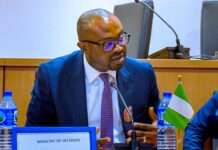
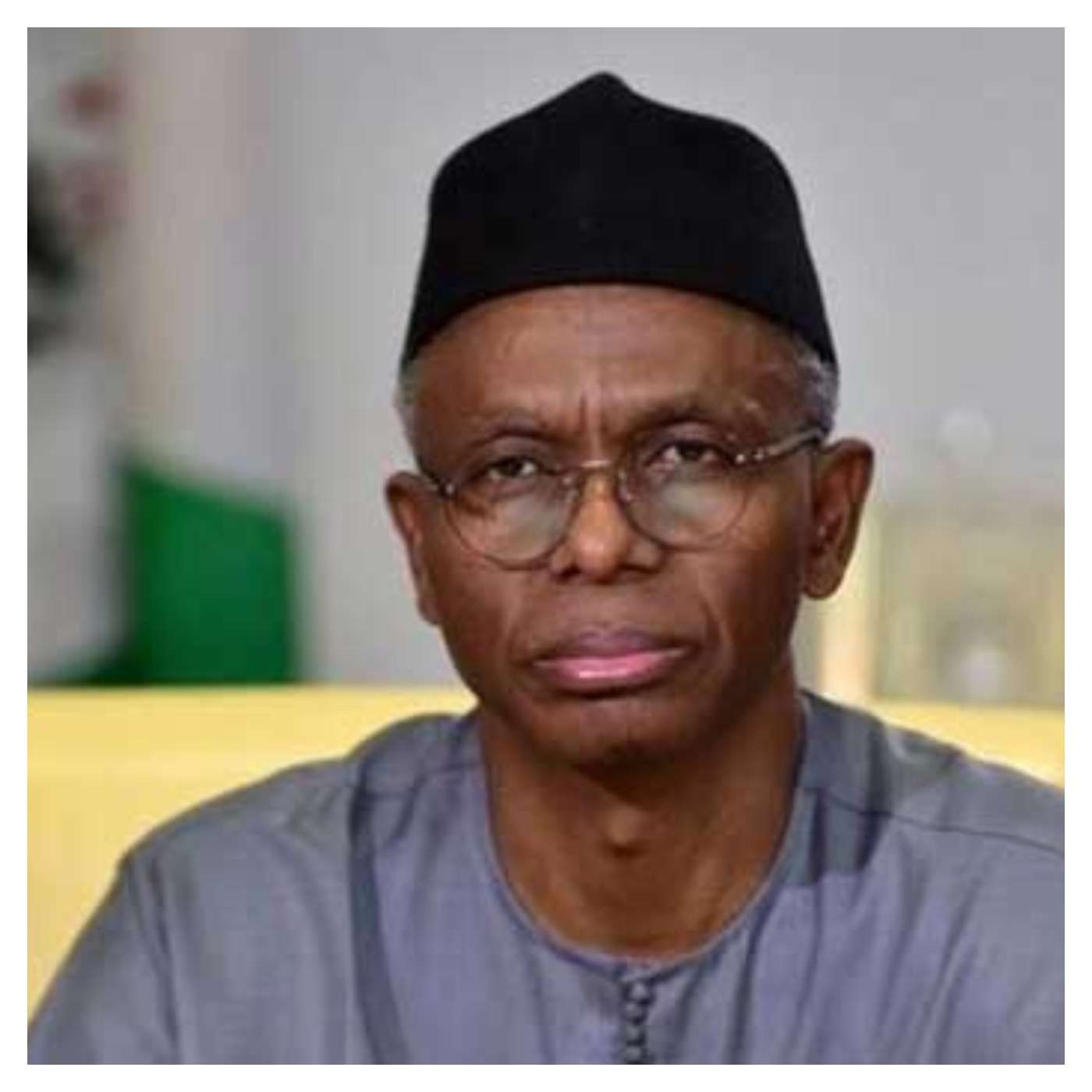
ABUJA — Nigeria’s political landscape was thrown into fresh turmoil on Thursday, February 19, 2026, after allies of former Kaduna State Governor Nasir El-Rufai released a resurfaced video of National Security Adviser Nuhu Ribadu testifying before the Senate during his tenure as pioneer chairman of the Economic and Financial Crimes Commission (EFCC).
The video, reportedly recorded in 2006, shows Ribadu addressing lawmakers and referencing investigations into then-Lagos Governor Bola Ahmed Tinubu.
In the clip, Ribadu is heard discussing alleged complex financial transactions and the need for international cooperation in tracking certain funds linked to Lagos State.
The “75%” Claim Resurfaces
According to those circulating the footage, Ribadu told senators at the time that investigations suggested Tinubu was “sitting on over 75% of Lagos State funds.”
The resurfaced testimony has since ignited fierce reactions online and within political circles, with critics questioning the apparent shift in positions over the years.
Fast forward to 2026, Ribadu — now serving as NSA under President Tinubu — has previously dismissed corruption allegations against the President as unfounded and politically motivated.
Public Reaction and Political Fallout
The re-emergence of the clip has sparked heated debate on social media, particularly on X (formerly Twitter), where users are revisiting Nigeria’s long history of political realignments.
An Abuja-based political analyst described the development as a reflection of Nigeria’s “no permanent enemies, no permanent friends” political culture.
Others have accused the political elite of practicing “selective justice,” arguing that past allegations appear to fade once political alliances shift.
The controversy comes at a time of heightened political tension, with El-Rufai reportedly in custody of the Independent Corrupt Practices Commission (ICPC) over separate allegations.
Opposition Strategy?
Analysts suggest the timing of the video’s release may not be accidental. Some believe opposition figures aligned with alternative political blocs are attempting to weaken the administration’s moral standing by revisiting historical allegations.
The situation has further fueled discussions around transparency, accountability, and the long memory of Nigeria’s political history.
As of Friday morning, February 20, 2026, the Office of the National Security Adviser had not issued a formal statement addressing the resurfaced video.
With tensions rising and both camps digging in, observers say the unfolding feud between two former anti-corruption figures could reshape political alignments ahead of future electoral contests.