
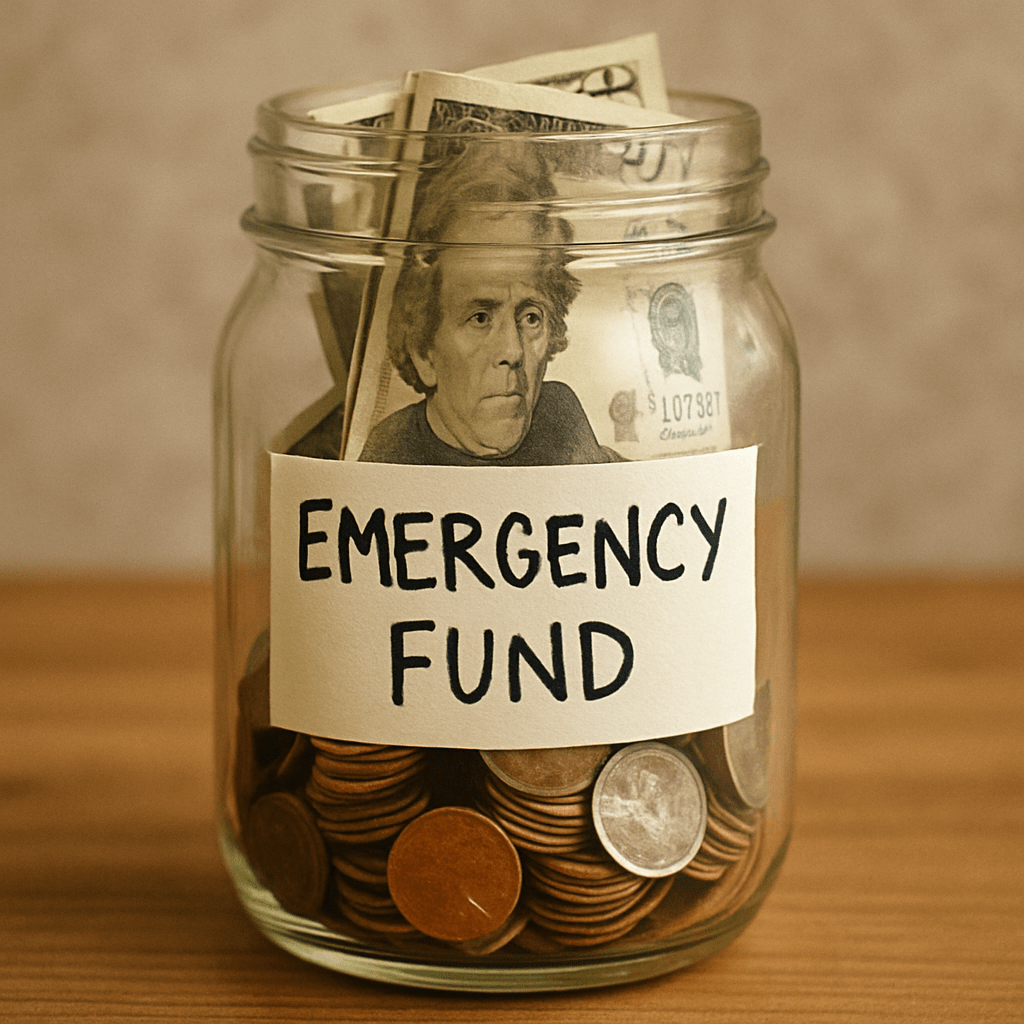
 When it comes to financial planning, building an emergency fund is a critical step. It’s the safety net that keeps you afloat during unforeseen circumstances, such as sudden medical expenses or loss of income. In this article, we’ll explore why liquidity matters before investing and how you can start building your emergency fund today.
Understanding the Importance of an Emergency Fund
What is an Emergency Fund?
An emergency fund is a stash of money set aside specifically for unexpected expenses. It’s not meant for planned expenses or discretionary spending but for true emergencies. The purpose is to prevent you from dipping into investments or taking on debt when life throws a curveball.
Why Liquidity Matters
Liquidity refers to how quickly an asset can be converted into cash without losing value. Having a liquid emergency fund means you can access your money quickly when needed. This immediacy is crucial because emergencies don’t wait for you to sell stocks or bonds.
The Role of an Emergency Fund in Financial Planning
Before delving into investments, it’s wise to ensure you have a solid emergency fund. This foundational step secures your financial stability and allows you to invest with a clear mind, knowing you’re protected against financial surprises.
Steps to Building an Emergency Fund
Assess Your Monthly Expenses
Start by calculating your monthly expenses. This should include rent or mortgage, utilities, groceries, transportation, insurance, and any other regular payments. Understanding your monthly outflows will help you determine the size of your emergency fund.
Set Your Emergency Fund Goal
A common recommendation is to save enough to cover three to six months of living expenses. However, the exact amount can vary based on personal circumstances, such as job stability and family size. Set a realistic goal that aligns with your lifestyle and risk tolerance.
Choose the Right Savings Account
Opt for a high-yield savings account to store your emergency fund. This type of account offers better interest rates than traditional savings accounts, allowing your money to grow while remaining accessible.
Automate Your Savings

To make saving easier, automate the process. Set up a direct deposit from your paycheck into your emergency fund savings account. This ensures consistent contributions and reduces the temptation to spend the money elsewhere.
Prioritize Your Emergency Fund
While it can be tempting to put all extra cash into investments, prioritize building your emergency fund first. This strategy ensures that you have a financial cushion in place before taking on investment risks.
Tips for Growing Your Emergency Fund
Reduce Unnecessary Expenses
Review your spending habits and identify areas where you can cut back. Redirect the savings into your emergency fund. Small changes, like brewing coffee at home or canceling unused subscriptions, can add up over time.
Increase Your Income
Consider taking on a side job or freelance work to boost your income. Use this additional money to accelerate your emergency fund savings. Even a few extra hours a week can make a significant difference.
Reevaluate and Adjust
As your life circumstances change, so should your emergency fund. Reevaluate your financial situation annually or after major life events, such as a new job or the birth of a child, and adjust your savings goal accordingly.
Common Mistakes to Avoid
Using the Fund for Non-Emergencies
It’s important to differentiate between wants and needs. Avoid dipping into your emergency fund for non-urgent expenses, like vacations or new gadgets. Preserve it for true emergencies only.
Not Replenishing the Fund
If you need to use your emergency fund, make it a priority to replenish it as soon as possible. This ensures you’re prepared for future unexpected events.
Conclusion
Building an emergency fund is an essential part of money management and a prerequisite to investing. By following these steps, you can establish a solid financial foundation that provides peace of mind and prepares you for whatever life may bring. Remember, the key is consistency and discipline in saving. Start today, and you’ll be on your way to financial security.