
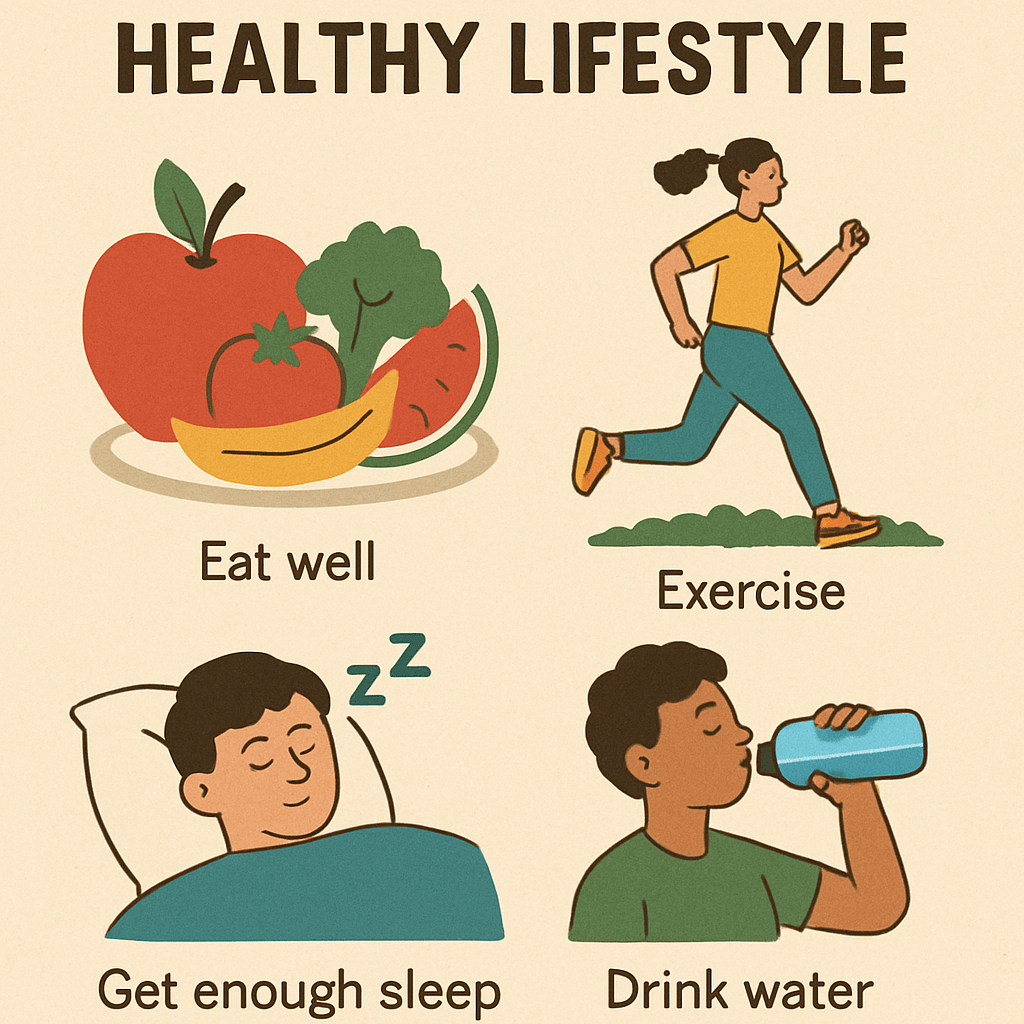
Essential Tips for Maintaining Good Health
Maintaining good health is not just about living longer; it’s about living better. When you focus on your health, you enhance your quality of life. A healthy lifestyle not only extends your lifespan but also ensures that your years are filled with vitality and joy. Let’s explore some essential tips to ensure you stay healthy and vibrant, allowing you to lead a fulfilling life. Embracing these practices can profoundly impact your physical, mental, and emotional well-being.
Understanding the Basics of Health
What is Health?
Health is more than the absence of illness. It’s a state of complete physical, mental, and social well-being. This means feeling good emotionally and mentally, having energy, and being able to enjoy life and the people in it. It involves a balanced lifestyle that nurtures your body and mind, enabling you to meet daily challenges with resilience. Health encompasses the ability to recover from setbacks, adapt to changes, and maintain a positive outlook on life.
Understanding health in this holistic way means acknowledging the interconnectedness of your body’s systems. A healthy person is not just free from disease but thrives in their environment, with a harmonious balance between work, play, rest, and nutrition. This comprehensive view encourages proactive measures to maintain health, rather than reactive responses to illness.
Why is Health Important?
Health is vital because it impacts every aspect of your life. Being healthy improves your ability to function effectively at home, work, and in your community. It allows you to pursue your passions and enjoy your relationships to the fullest. Good health is the foundation for achieving your goals and living a life filled with purpose and joy.
Moreover, maintaining good health can significantly reduce the risk of developing chronic diseases and conditions, which are often costly and debilitating. Investing in your health means investing in your future, ensuring you have the strength and energy to enjoy life’s adventures. A healthy lifestyle also sets a positive example for those around you, inspiring them to make healthier choices.
Tips for Physical Health
Regular Exercise
Exercise is crucial for maintaining physical health. Engaging in regular physical activity helps maintain a healthy weight, boosts your immune system, and reduces the risk of chronic diseases such as heart disease and diabetes. Regular exercise also enhances your mood, reduces stress levels, and improves sleep quality, contributing to overall well-being.
- Aim for at least 150 minutes of moderate aerobic activity each week. This could include activities like brisk walking, cycling, or swimming.
- Incorporate strength training exercises at least twice a week. Strength training can include activities like lifting weights, yoga, or body-weight exercises, which help build muscle mass and strengthen bones.
Balanced Diet

Eating a balanced diet is another cornerstone of good health. Focus on consuming a variety of foods that provide the nutrients you need. A balanced diet supports your body’s vital functions and provides energy for daily activities. It can also prevent nutritional deficiencies and reduce the risk of chronic diseases.
- Fruits and Vegetables: Aim for at least five servings a day. A colorful plate ensures a variety of nutrients and antioxidants essential for health.
- Whole Grains: Include whole grains like brown rice, quinoa, and oats. These provide fiber, which aids digestion and helps maintain stable blood sugar levels.
- Lean Proteins: Choose lean proteins like chicken, fish, beans, and nuts. These help build and repair tissues, and are crucial for muscle health and immune function.
Hydration
Staying hydrated is essential for your body to function properly. Water helps regulate body temperature, keeps joints lubricated, and helps transport nutrients. Proper hydration is also vital for cognitive functions and maintaining energy levels throughout the day.
- Drink at least eight 8-ounce glasses of water a day. This general guideline can vary based on individual needs, such as body size and activity level.
- Increase your water intake if you’re physically active or it’s hot outside. In such conditions, your body loses more water through sweat, requiring additional hydration to replace the lost fluids.
 Tips for Mental Health
Stress Management
Stress can take a significant toll on your mental and physical health. Learning to manage stress effectively is crucial. Chronic stress can lead to serious health issues like heart disease, depression, and a weakened immune system.
- Practice mindfulness and meditation to help manage stress. These techniques can help you stay grounded and maintain a positive outlook, even in challenging situations.
- Take breaks and make time for activities you enjoy. Engaging in hobbies or relaxing activities can help recharge your mind and reduce stress levels.
Sleep
Adequate sleep is vital for mental health. Sleep allows your body to repair itself and is essential for cognitive functioning. A regular sleep schedule can improve mood, memory, and overall mental clarity.
- Aim for 7-9 hours of quality sleep each night. This range supports optimal functioning and recovery, promoting both physical and mental health.
- Establish a regular sleep schedule and create a restful environment. Consider factors like room temperature, lighting, and noise levels to optimize your sleep setting.
Social Connections
Maintaining strong social connections can improve your mental health and longevity. Social interactions provide support, reduce feelings of loneliness, and increase your sense of belonging and purpose.
- Spend time with family and friends. Quality time with loved ones can boost mood and provide emotional support during tough times.
- Join community groups or clubs to meet new people. These connections can enrich your life and provide opportunities for learning and growth.
Community Health Choice
Community health involves taking an active role in improving the health of your community. This can be through local health initiatives, participating in community events, or simply advocating for healthier lifestyles. Engaging with your community can lead to collective well-being and a more supportive environment.
Why Community Health Matters
Community health choice means making decisions that positively impact not only your health but the health of those around you. Engaging in community health can lead to a more supportive environment that encourages healthy choices. When communities come together to promote health, the effects can be far-reaching and transformative.
- Participate in local health programs. These initiatives often provide resources and support to help community members lead healthier lives.
- Support local initiatives aimed at improving health. By backing programs that focus on health education and disease prevention, you contribute to creating a healthier future for everyone.

The Role of Mochi Health
Mochi health is a holistic approach that emphasizes balance and harmony. It’s about finding the right balance in your life to maintain good health. This approach acknowledges that well-being comes from nurturing all aspects of life, including physical, mental, and social dimensions.
What is Mochi Health?
Mochi health focuses on achieving balance in all areas of life, including diet, exercise, mental health, and social well-being. It’s about understanding that all these aspects are interconnected and contribute to overall health. Embracing this philosophy can lead to a more centered and peaceful life.
How to Incorporate Mochi Health
- Mindful Eating: Pay attention to what you eat and how it makes you feel. This practice can prevent overeating and encourage healthier food choices.
- Balanced Lifestyle: Incorporate a mix of activities that address physical, mental, and social health. Strive for a routine that includes time for work, relaxation, and socializing.
- Holistic Practices: Consider practices like yoga or tai chi to enhance your well-being. These activities promote physical strength, mental clarity, and emotional balance, contributing to overall harmony.
Conclusion
Maintaining good health is a continuous journey that involves making informed choices about your physical and mental well-being. By focusing on regular exercise, a balanced diet, stress management, and community involvement, you can improve your health and enjoy a higher quality of life. This journey requires commitment and a willingness to adapt to new habits that support your health goals.
Remember, health is a personal and community effort. By taking steps towards improving your health, you’re also contributing to the well-being of those around you. Embrace these tips and take control of your health journey today. With dedication and the right mindset, you can lead a life that is not only longer but richer and more fulfilling.