Peter Obi Cites Singapore’s Growth Model, Says Nigeria Must End Politics of Chaos to Progress
Former Labour Party presidential candidate, Peter Obi, has once again raised concerns about Nigeria’s development struggles, urging leaders to abandon endless political battles and focus on genuine nation-building.
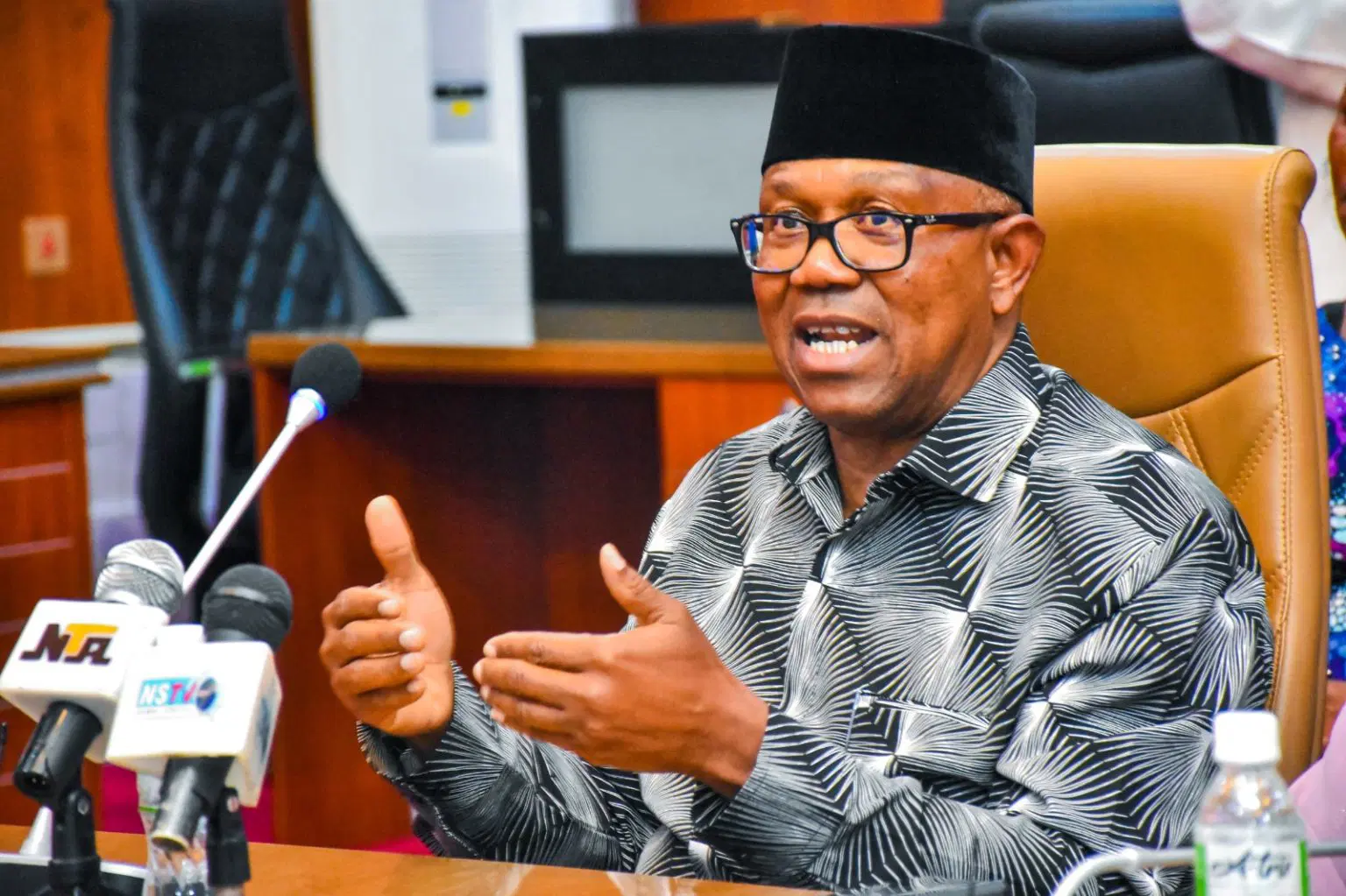
Speaking at a recent book launch, Obi used Singapore as a powerful example of what disciplined leadership and long-term planning can achieve. In a video shared by SYMFONI TV at 9:05, he explained that Singapore began with almost nothing—no natural resources and very limited land—but still emerged as one of the world’s most successful economies by focusing on service, structure, and sustainable development.
According to Obi, Singapore has now grown so rapidly that it is running out of land for expansion. Yet, instead of being held back, the country is investing massive resources to construct a new port beneath the sea, demonstrating how serious nations consistently find innovative solutions to progress.
Nigeria’s Political Distractions Holding the Nation Back
Obi contrasted Singapore’s development focus with Nigeria’s persistent political instability. He lamented that Nigerian leaders remain preoccupied with elections, power struggles, violence, and political thuggery, while the rest of the world continues to advance in technology, infrastructure, and economic planning.
He warned that Nigeria cannot continue on a path of chaos and wasted opportunities if it truly hopes to compete globally.
Message to Ogoni Traditional Ruler and Call for Accountability
Addressing the Ogoni traditional ruler at the event, Obi stressed that traditional institutions deserve dignity and respect and should not be the ones pleading for peace or basic development. He argued that those responsible for destroying Nigeria’s progress should take responsibility and offer sincere apologies to the people.
“If I Get the Opportunity, I Will Apologize to Nigerians” — Obi
The former Anambra State governor also admitted that Nigeria is richly endowed with everything required to succeed but continues to fail due to poor leadership, misplaced priorities, and wasted resources.
He made a personal pledge, saying he would apologize to Nigerians—especially the youth—if ever given the opportunity, acknowledging the valuable time lost under poor governance.
In his words:
“If I have the opportunity, I will apologize to everybody for having wasted their time, in a country where everything is there.”
Obi’s remarks have once again reignited discussions around true leadership, accountability, and development-focused governance in Nigeria. Many observers believe his message underscores the urgent need for a national reset if Nigeria must realize its enormous potential.