
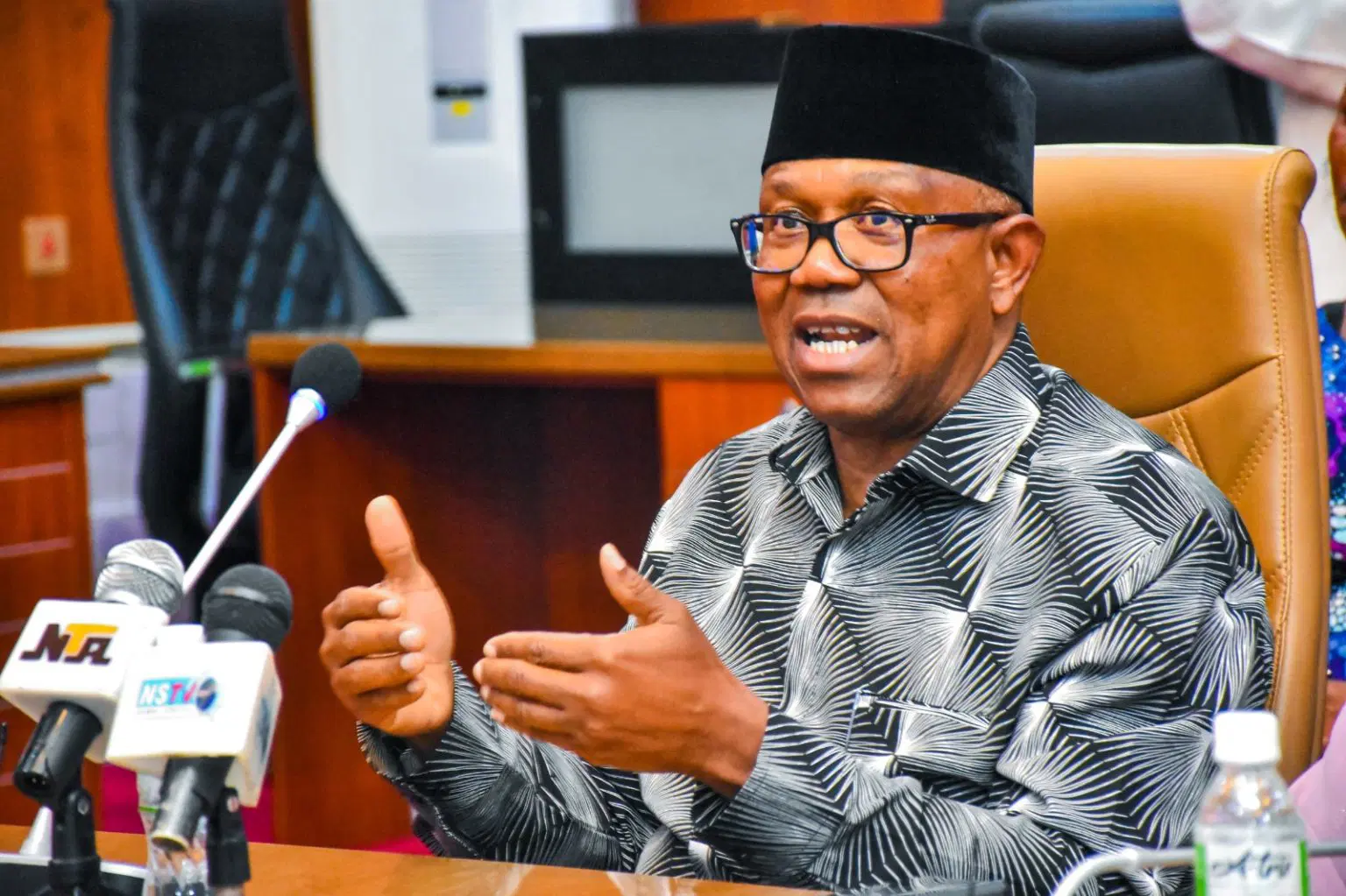
Abuja — Reports that former Labour Party (LP) presidential candidate Peter Obi plans to defect to the African Democratic Congress (ADC) on December 31 have ignited intense political debate across Nigeria, especially ahead of the 2027 general elections.
While the story has dominated online discussions and political forums, checks show that no formal defection has yet been announced, with key stakeholders adopting a cautious, wait-and-see posture.
This analysis separates verified facts from speculation, examines the official positions of the Labour Party and ADC, and reviews public reactions shaping the emerging narrative.
What we Known So Far
The defection story gained traction following reports quoting anonymous ADC sources, who claimed that Obi had concluded consultations and was planning a declaration rally in Enugu, described as the political capital of the South-East.
However, Peter Obi himself has not confirmed any decision to leave the Labour Party or to join the ADC. No statement has been issued by his media team, and no official event has been announced on his verified platforms.
At this point, the claim of a December 31 defection remains unconfirmed.
Labour Party’s Reaction: “We’ll Wait for Obi”
The Labour Party leadership, under the Julius Abure-led National Working Committee, has deliberately played down the reports.
The party’s position is simple:
It will not speculate on Obi’s future.
Any decision to leave the party can only be confirmed by Obi himself.
Defections, while unfortunate, are not unusual in Nigerian politics.
Party officials also insist that the Labour Party remains a viable platform and would have preferred internal reconciliation rather than public speculation about a possible exit.
ADC’s Position: Consultations, Not Confirmation
The African Democratic Congress has also stopped short of confirming Obi’s defection.
According to ADC spokesperson Bolaji Abdullahi, discussions and consultations are ongoing, but:
No formal declaration has been made
No official notice of defection has been received
ADC leaders have emphasised that the party is focused on building a broad opposition coalition, expanding nationwide structures, and preparing for a national convention in 2026, where its presidential candidate will emerge through internal processes.
This suggests that even if Obi eventually joins the ADC, no automatic ticket is guaranteed.
What Nigerians Are Saying
Public reactions, especially on platforms like X (formerly Twitter), are sharply divided:
Supporters argue:
A move to ADC could strengthen the opposition and improve coordination ahead of 2027.
Obi’s 2023 performance shows he remains a major electoral force.
A broader coalition may be necessary to challenge the ruling party effectively.
Critics counter:
Frequent party movements could weaken Obi’s political brand.
Some argue his strongest support remains regional.
Others question whether any coalition can resolve internal ambitions, especially presidential ticket rivalry.
The debate reflects deep voter frustration, unresolved opposition realignments, and growing anticipation of the 2027 race.
Peter Obi remains one of the most influential opposition figures in Nigeria. Any confirmed political move by him will have far-reaching implications for party alignments, voter sentiment, and the 2027 presidential contest.







 on December 31)