
Peter Obi has returned to the centre of Nigeria’s national security debate following the Federal Government’s confirmation of U.S. airstrikes against ISIS-linked terrorists in North-West Nigeria, a development critics say has vindicated the former Labour Party presidential candidate’s earlier stance on foreign security cooperation.
The controversy stems from comments made by Obi barely a month ago, when he stated that Nigeria should be open to international military assistance, including support from the United States, if it would help effectively combat terrorism and restore security across the country.
At the time, the Presidency, through the Special Adviser on Information and Strategy, Bayo Onanuga, publicly criticised Obi, accusing him of endorsing foreign intervention and declaring that Nigerians would “never forget nor forgive” such a position.
U.S. Airstrikes Change the Narrative
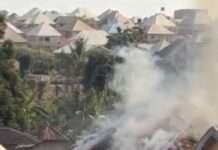
The debate has resurfaced after the Federal Government officially confirmed that the Armed Forces of Nigeria, working in collaboration with the United States, carried out precision airstrikes against identified ISIS-affiliated targets in Sokoto State.
The confirmation, which came through the Ministry of Foreign Affairs nearly 24 hours after the operation, marked a rare public acknowledgment of direct U.S. military involvement in Nigeria’s counter-terrorism efforts under the current administration.
For many observers, the development represents a clear policy contradiction.
Big Tent Coalition Says Obi Has Been Vindicated
Reacting to the confirmation, the Big Tent Coalition, led by Professor Pat Utomi, accused the Tinubu administration of hypocrisy and poor strategic communication, insisting that Peter Obi has been unfairly targeted.
“You cannot vilify Peter Obi for expressing a conditional and pragmatic policy opinion, only to turn around and implement that same option in practice,” said Charles Odibo, Director of Media and Communication of the coalition.
According to the coalition, Obi never advocated reckless foreign intervention but simply argued that Nigeria should prioritise effectiveness, transparency, and measurable results in tackling insecurity.
“This episode has brought Peter Obi back into focus because his position has now been validated by the government’s own actions,” Odibo added.
Concerns Over Communication and Transparency
Beyond the issue of apology, the coalition also raised concerns over the Federal Government’s delayed and fragmented communication on such a sensitive national security matter.
While U.S. President Donald Trump publicly announced the airstrikes, Nigerians were left to rely on multiple and sometimes conflicting confirmations from government officials almost a day later, raising questions about coordination, transparency, and leadership.
Analysts say the silence and confusion reinforce long-standing criticisms about the government’s handling of security messaging — a point Peter Obi has consistently highlighted in his calls for accountable governance.
Calls for Apology and Clarity
The Big Tent Coalition has now called on President Bola Ahmed Tinubu to direct his spokesperson to issue a formal apology to Peter Obi, ensure coherence in government communication on security matters, and personally brief Nigerians on the scope and rules guiding foreign military cooperation.
“Nigeria’s security challenges are too serious for propaganda and political posturing,” the coalition stated. “Leadership demands consistency, humility, and honesty.”
Why the Issue Matters
The renewed focus on Peter Obi underscores a broader national conversation about sovereignty, transparency, and the effectiveness of Nigeria’s counter-terrorism strategy.
As insecurity continues to affect lives and livelihoods across the country, analysts say policy debates must be driven by facts and national interest rather than partisan attacks — a shift that has once again placed Peter Obi at the heart of the discussion.