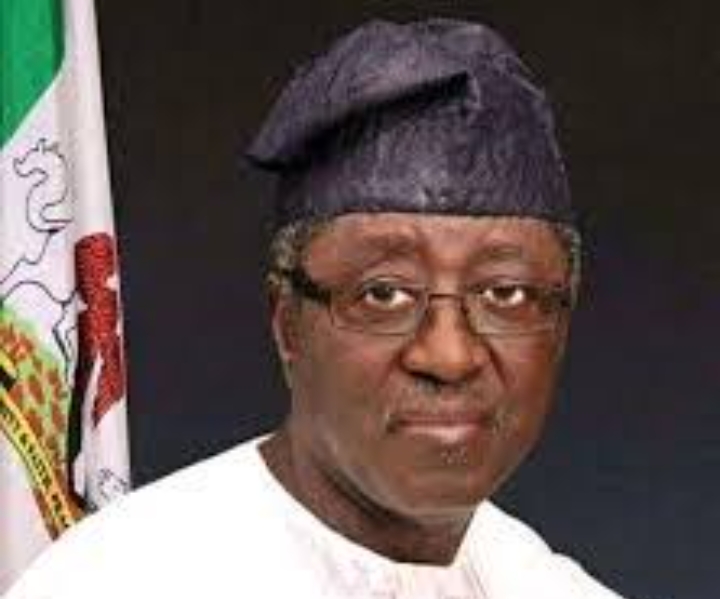
Former Governor of Plateau State, Jonah David Jang, has strongly criticized a recent Court of Appeal judgment that recognized Hausa residents born and raised in Jos North Local Government Area as indigenes of the area.
The appellate court, in a judgment delivered by Justice C. Donglong last week, held that a Hausa person born and resident in Jos North qualifies as an indigene of the locality.
The ruling was widely seen as a significant development in the long-running debate over indigeneship and citizenship rights in Plateau State.
However, Jang disagreed with the decision, arguing that indigeneship cannot be conferred solely on the basis of birth or long-term residence.
Speaking on the development, the former governor maintained that Plateau’s indigenous ethnic nationalities have distinct historical and cultural identities that cannot be altered through judicial pronouncements.
He warned that attempts to redefine indigeneship through court rulings could generate fresh tensions in a state that has experienced years of ethno-religious and communal conflicts.
The issue of who qualifies as an indigene in Plateau State has remained one of the most contentious political and social questions in the region. While many Hausa residents insist that generations of residence and birth in Jos should confer indigene status, several indigenous groups argue that ancestry and historical ties to the land remain the defining criteria.
The Court of Appeal judgment has sparked mixed reactions across the state, with supporters describing it as a victory for equal citizenship rights, while opponents view it as a challenge to the constitutional and cultural understanding of indigeneship.
Political observers believe the controversy is far from over, as stakeholders on both sides continue to debate the implications of the ruling for Plateau State and Nigeria’s broader citizenship framework.
What This Means
The debate touches on fundamental questions about identity, belonging, citizenship rights, political representation, access to public opportunities, and social integration in Nigeria.
The final outcome could have far-reaching implications beyond Plateau State, particularly in communities where the distinction between “indigenes” and “settlers” remains a sensitive issue.
We are committed to verified, accurate, and responsible journalism. Our reports are based on available facts, credible sources, and ongoing developments. Readers are encouraged to follow updates as more information emerges.