

VOX POPULI: What Plateau Residents Are Saying After Tinubu’s Visit – From ‘Forgive Me’ to ‘Ba Ma Yi’
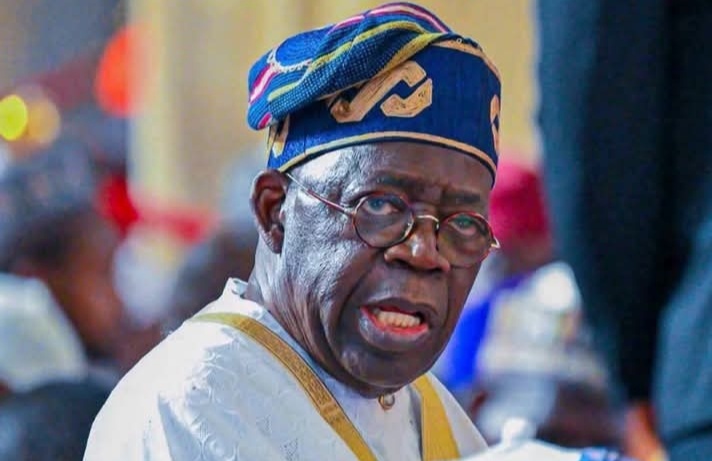
President Bola Ahmed Tinubu’s visit to Plateau State on Saturday, November 14, 2026, has generated mixed reactions, with the President receiving a welcome from APC supporters while some residents openly expressed dissatisfaction with his administration.
The visit, which was part of the All Progressives Congress (APC) North-Central presidential campaign activities ahead of the 2027 elections, was expected to be an opportunity for the President to reconnect with a state that has endured years of insecurity, killings and displacement.
But beyond the colourful reception, political speeches and party mobilisation, the reactions from sections of the population have raised questions about what ordinary Plateau residents expect from the Federal Government.
More Read
TINUBU ASKS PLATEAU TO FORGIVE HIM
One of the most significant moments of the visit came when President Tinubu addressed the controversy surrounding his previous visit to Plateau following the deadly Anguwan Rukuba attack.
The President had visited Jos in April but did not travel into the affected community, meeting victims and stakeholders at the airport instead.
More Read
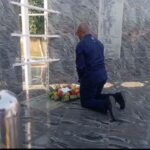
On Saturday, he acknowledged the criticism and appealed for forgiveness.
“When I last visited the other time, I was limited to the airport. Forgive me if you didn’t see me in the hinterland. But I saw the devastation; I got the report from the governor. I saw the horror in the faces of our people,” Tinubu said.
He promised that displaced residents would return to their communities, assuring them that affected communities would be rebuilt.
He also expressed condolences to bereaved families and promised decisive action by security agencies to restore peace.
BUT SOME RESIDENTS RESPOND WITH ‘BA MA YI’
While APC supporters lined the streets and welcomed the presidential convoy with songs, dancing and party flags, another reaction emerged as the convoy passed.
In videos circulated after the rally, some residents could be heard chanting “Ba ma yi”, a Hausa expression meaning “We don’t want.”
More Read
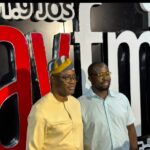
The chants were directed at the presidential convoy as it passed residents standing behind barricades.
The footage offered a contrasting picture to the enthusiastic reception organised by APC supporters.
The reaction is particularly significant because it came during a visit in which the President had appealed for forgiveness over his previous inability to visit communities affected by violence.
However, the available footage does not establish that everyone chanting was responding specifically to his apology. It does show that support for the President was not unanimous along the route.
WHAT RESIDENTS WANT: SECURITY, NOT JUST POLITICAL PROMISES
Even before Saturday’s visit, residents interviewed by The Punch had made their expectations clear.
For many, security remains the most urgent issue.
A farmer from Riyom, Dachung Pam, expressed the hardship facing farming communities:
“Abundance without security is a harvest left to rot. A farmer who cannot sleep in his village cannot wake up to farm.”
Sarah David, a trader in Jos South, also stressed the connection between security and economic recovery.
“Let the sound that wakes Plateau be the cock crowing, not the gunshot. When security returns, confidence returns, and when the farmer returns, the nation eats,” she said.
These concerns reflect the reality that insecurity affects not just lives and property but also farming, transportation, businesses and the cost of living.
NOT EVERYONE REJECTED THE PRESIDENT
It is equally important to acknowledge that Tinubu’s visit attracted genuine supporters.
In an interview with The Punch, Mary Gyang, a trader from Terminus Market, expressed happiness at the President’s arrival.
“We have been here since 6 am. We are happy Tinubu is here. He is our President and we love him,” she said.
Chollom Pwajok, a youth leader from Jos North, also expressed support, citing development and infrastructure as reasons for his position.
Other APC supporters welcomed the President and expressed hope that federal projects and political cooperation would bring more development to Plateau.
The visit therefore revealed different political positions within the state rather than a unanimous public response.
DID THE PRESIDENT’S APOLOGY ANSWER THE QUESTIONS?
For families affected by killings and displacement, an apology is an important acknowledgement, but the bigger questions concern what happens next.
Will displaced families return safely to their homes?
Will rural communities be protected from further attacks?
Will the promised forest guards and surveillance cameras translate into improved security?
Will farmers be able to return to their farms without fear?
And will the Federal Government sustain its attention on Plateau beyond the campaign season?
These are the issues that will ultimately determine how many residents assess the President’s visit.
THE HEADLINESWAVE TAKE
Saturday’s visit presented two different pictures of Plateau State.
One was a gathering of enthusiastic APC supporters who welcomed the President and expressed confidence in his leadership.
The other was the visible dissatisfaction of residents who used the opportunity of his passing convoy to chant “Ba Ma Yi.”
Neither picture should be used to claim that every Plateau resident supports or rejects the President.
But one thing is clear: the people of Plateau have expectations that go beyond campaign rallies, political alliances and promises.
For communities that have experienced killings, displacement and economic disruption, the most important response to the President’s appeal for forgiveness will not be another speech.
It will be measurable improvements in security, the safe return of displaced people and the restoration of normal life.
Plateau residents have heard the apology. The question now is whether they will see the change.
This report draws from reported statements by the President, interviews with residents ahead of the visit and video reports of reactions along the presidential convoy’s route.
The quoted resident interviews are presented as post-rally interviews. The report does not claim that the available footage represents the opinion of every Plateau resident.