


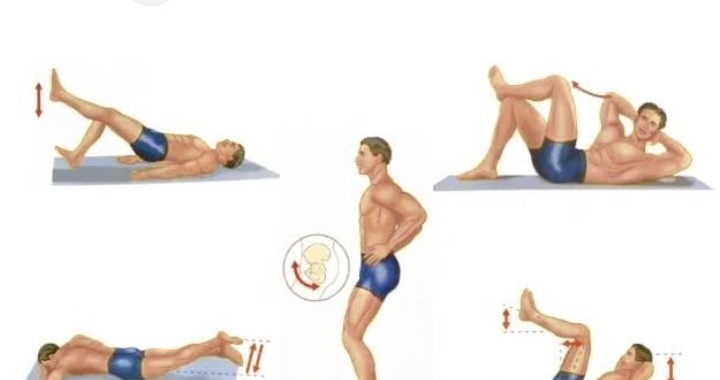
Exercise, erectile dysfunction and Diabetes: The connection every man should understand
Could the exercise you do every morning also improve your sexual health?
Many people associate exercise with losing weight, building muscles or keeping fit. However, regular physical activity does much more than improve physical appearance. It can also help regulate blood sugar, improve blood circulation and support sexual health.
For men, particularly those living with diabetes or persistently high blood sugar, understanding this connection is important.
Erectile dysfunction (ED), commonly described as difficulty achieving or maintaining an erection firm enough for sexual activity, is not always simply a consequence of ageing. It can sometimes be linked to underlying health problems involving blood vessels, nerves, hormones or metabolism.
More Read

Here is how exercise, blood sugar and erectile function are connected.
1. How exercise helps control blood sugar
When you exercise, your muscles use glucose for energy. Physical activity also improves insulin sensitivity, meaning the body can use insulin more effectively to move glucose from the bloodstream into cells.
More Read

This is particularly important for people living with type 2 diabetes.
Regular physical activity can:
Help lower blood glucose levels.
Improve insulin sensitivity.
Support healthy body weight.
Reduce cardiovascular risk.
Improve blood pressure and cholesterol levels.
Even a brisk walk after meals can help reduce the rise in blood sugar that often follows eating.
However, exercise is not a replacement for prescribed diabetes medication, a balanced diet or regular blood glucose monitoring.
2. What does erectile dysfunction have to do with blood sugar?
An erection depends heavily on healthy blood circulation.
When a man becomes sexually aroused, blood vessels in the penis relax and allow increased blood flow into erectile tissue. If the blood vessels are damaged or circulation is impaired, achieving or maintaining an erection may become difficult.
Persistently elevated blood sugar can damage both blood vessels and nerves over time.
This explains why men with diabetes have a higher risk of developing erectile dysfunction.
Diabetes-related nerve damage may also interfere with the signals required for an erection.
In some men, erectile dysfunction may even appear before other obvious symptoms of cardiovascular disease.
3. Can exercise improve erectile function?
Yes. Regular exercise may improve erectile function, particularly when poor cardiovascular health, obesity, insulin resistance or impaired circulation contribute to the problem.
Physical activity supports:
Better blood vessel function.
Improved circulation.
Healthier blood pressure.
Better metabolic health.
Reduced cardiovascular risk.
Research suggests that structured physical activity, particularly aerobic exercise, can improve erectile function in some men.
However, exercise is not a guaranteed cure. Men whose erectile dysfunction is caused by nerve damage, hormonal problems, certain medications or other medical conditions may need additional treatment.
4. Which exercises should men consider?
You do not need an expensive gym membership to begin improving your health.
Some practical activities include:
Brisk walking: One of the simplest ways to improve cardiovascular fitness and support blood sugar management.
Swimming: A low-impact activity that works several muscle groups and supports cardiovascular health.
Cycling: Helps build endurance and improve cardiovascular fitness.
Strength training: Helps build muscle, and working muscles use glucose for energy.
The American Diabetes Association recommends that most adults with diabetes aim for at least 150 minutes of moderate-to-vigorous physical activity weekly, spread across at least three days. Resistance training two to three times weekly is also recommended.
Beginners should start gradually and increase activity according to their fitness and medical condition.
5. Seven practical habits that can make a difference
Men concerned about blood sugar and sexual performance can consider these lifestyle habits:
Walk regularly, particularly after meals if appropriate.
Reduce prolonged sitting by standing or moving around every 30 minutes.
Eat balanced meals and moderate portions of refined carbohydrates.
Monitor blood sugar and follow prescribed diabetes treatment.
Maintain a healthy weight.
Avoid smoking and excessive alcohol consumption.
Get adequate sleep and manage stress.
These habits support overall health, but results vary from person to person.
6. When should a man seek medical attention?
Erectile dysfunction should not automatically be dismissed as ageing or blamed entirely on poor sexual performance.
If erection difficulties happen repeatedly, medical assessment is important.
A healthcare professional may investigate:
Blood glucose levels and long-term diabetes control.
Blood pressure and cholesterol.
Cardiovascular health.
Hormonal levels, including testosterone when indicated.
Possible side effects of prescribed medicines.
Psychological factors such as anxiety and depression.
Importantly, erectile dysfunction can sometimes be an early indicator of cardiovascular problems. Men experiencing persistent symptoms should not delay seeking medical advice.
A word about ED medication: Medicines such as sildenafil and tadalafil can help some men, but they are not suitable for everyone. Men taking nitrate medication for chest pain must not use these medicines together because the combination can cause a dangerous drop in blood pressure. Consult a qualified healthcare professional before using ED medication or sexual enhancement supplements.
7. The bigger message: Your sexual health is part of your overall health
There is a tendency to discuss erectile dysfunction only when men begin experiencing difficulties in the bedroom.
But sexual health is connected to several aspects of general health, including blood circulation, blood sugar, nerve function, hormones and emotional wellbeing.
A man who takes care of his cardiovascular health and manages his blood sugar is also taking important steps towards protecting his sexual health.
Exercise may not solve every sexual health problem, but it is one of the most accessible tools for improving general wellbeing.
What health experts say
The National Institute of Diabetes and Digestive and Kidney Diseases (NIDDK) identifies diabetes-related nerve and blood vessel damage as important contributors to sexual problems in men.
The American Diabetes Association also recommends regular physical activity as part of comprehensive diabetes management.
This report is an educational health explainer based on information from the National Institute of Diabetes and Digestive and Kidney Diseases (NIDDK), the American Diabetes Association (ADA) and the UK’s National Health Service (NHS).
Disclaimer: This article is for general health education and should not replace professional medical advice, diagnosis or treatment.
Sources for further reading:
NIDDK – Diabetes, Sexual and Bladder Problems.
American Diabetes Association – Standards of Care in Diabetes.
NHS – Erectile Dysfunction.
HEADLINESWAVE.NG – News and Media Company