

Nigeria Confirms Ebola Case in Abuja as 44 Contacts Are Traced
Headlineswave.ng | Health News | October 21, 2026
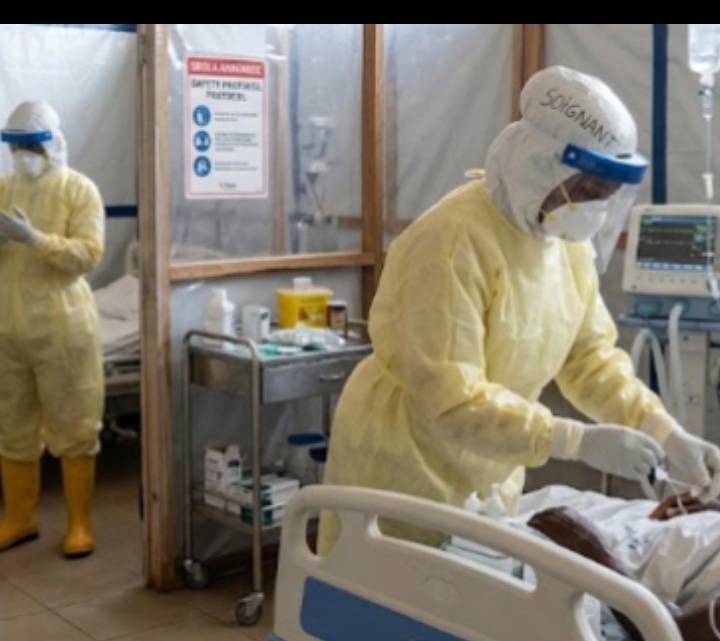
Nigeria has confirmed its first reported case of Ebola disease in the current outbreak, following laboratory confirmation of the Bundibugyo strain in a woman receiving treatment in the Federal Capital Territory, Abuja.
The Federal Government announced the confirmation on Tuesday, October 20, saying the patient had recently travelled to Nigeria from Uganda. She is currently in isolation and receiving medical care.
According to the World Health Organization (WHO), the woman developed symptoms on October 7 and sought treatment at a private health facility in Abuja on October 11. Laboratory testing confirmed the infection on October 20.
Health authorities have identified 44 close contacts who are being monitored as part of efforts to prevent further transmission.
Government Activates Emergency Public Health Response
More Read

The Federal Ministry of Health and Social Welfare, the Nigeria Centre for Disease Control and Prevention (NCDC), and health authorities in the FCT are coordinating the response.
The measures include contact tracing, intensified disease surveillance, investigations into possible exposure, and stronger infection-prevention procedures at the private hospital where the patient received care.
The Federal Government has also urged public and private healthcare facilities nationwide to remain vigilant, promptly identify and isolate suspected cases, and report them to the relevant public health authorities.
More Read
The WHO and its partners are supporting Nigeria with case investigation, contact tracing, infection prevention and control, and essential protective supplies for healthcare workers.
Investigations are ongoing to establish where the patient contracted the virus and reconstruct her travel and exposure history.
What Is the Bundibugyo Strain of Ebola?
Bundibugyo virus disease is a severe illness caused by the Bundibugyo virus, one of the viruses responsible for Ebola disease.
Symptoms may include fever, headache, muscle pain, weakness, vomiting and diarrhoea. Some patients may develop more severe complications.
The infection can spread through direct contact with the blood or other bodily fluids of an infected person, or through contaminated objects. It is not spread simply by being in the same room as an infected person without the necessary exposure.
There is currently no reason to assume that every person with fever or similar symptoms has Ebola. Malaria and several other illnesses can cause comparable symptoms, making proper medical assessment and laboratory testing essential.
Should Nigerians Be Worried?
The confirmation of a case requires serious attention, but it does not automatically mean that widespread community transmission is occurring in Nigeria.
The immediate priority is to identify and monitor people who may have been exposed, detect any additional infections quickly, and protect healthcare workers and the public.
Nigerians are advised to maintain good hand hygiene, avoid contact with the bodily fluids of anyone suspected of having Ebola, and seek prompt medical assessment if they develop compatible symptoms following a possible exposure.
Anyone who suspects exposure should contact a healthcare provider or public health authority and explain their travel or contact history before visiting a health facility.
The NCDC provides public health information through its official website, ncdc.gov.ng, and its toll-free line, 6232.
Regional Outbreak Raises Surveillance Concerns
Nigeria’s confirmed case comes amid a wider regional outbreak of Bundibugyo virus disease that began in the Democratic Republic of the Congo. The WHO reported that Nigeria had become the fifth country to detect the virus during the current outbreak.
The development highlights the importance of cross-border surveillance, rapid diagnosis, coordinated emergency responses and transparent communication by public health authorities.
The WHO has advised against general restrictions on travel to or trade with affected countries, while calling on countries to maintain strong surveillance and readiness.
What Happens Next?
The effectiveness of Nigeria’s response will depend on the speed and completeness of contact tracing, the identification of any additional cases, and strict infection-prevention measures in healthcare facilities.
The number of contacts under monitoring may change as investigations progress. The patient’s eventual outcome and the source of infection were not established in the official updates reviewed for this report.
Headlineswave.ng will continue to monitor announcements from the Federal Ministry of Health, the NCDC and the WHO for verified updates.
Sources and verification
Federal Ministry of Health and Social Welfare: Official statement on the confirmed case
This report is based on official information published by Nigeria’s Federal Ministry of Health and Social Welfare and the World Health Organization on October 20, 2026.
Details may change as investigations continue. Readers are advised to follow official public health announcements for subsequent updates.