

Two Nigerian Professors Convicted of Electoral Fraud – But Where Are They Today?
HEADLINESWAVE INVESTIGATION
Nigeria’s electoral history has recorded several controversies, but few cases have raised as many questions about the integrity of election officials as the convictions of two university professors over electoral offences committed during the 2019 general elections in Akwa Ibom State.
The two academics, Professor Peter Ogban of the University of Calabar and Professor Ignatius Uduk of the University of Uyo, were each sentenced to three years’ imprisonment in separate cases prosecuted by the Independent National Electoral Commission (INEC).
But more than the convictions themselves, what happened after the courts handed down their sentences raises another important question: Are the two professors actually serving their prison terms?
More Read
Also Read Plateau to Review Healthcare Delivery, Financing and Health Security at 12th Council on Health
1. Professor Peter Ogban: Convicted over election results linked to Akpabio
Professor Peter Ogban, a Professor of Soil Science at the University of Calabar, served as the Returning Officer for the 2019 Akwa Ibom North-West Senatorial District election.
More Read

He was prosecuted over the manipulation and announcement of false election results in Oruk Anam and Etim Ekpo Local Government Areas.
The prosecution established that the results were manipulated in favour of Godswill Akpabio, who contested the senatorial election under the All Progressives Congress (APC).
On March 25, 2021, an Akwa Ibom State High Court convicted Ogban and sentenced him to three years’ imprisonment, alongside a ₦100,000 fine.
However, he did not remain in prison for the full duration of his sentence.
After spending approximately four months in custody, he was granted bail on July 12, 2021, pending his appeal.
In another significant development, the Court of Appeal sitting in Calabar upheld his conviction and three-year prison sentence on April 30, 2025.
More Read
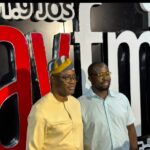
But a subsequent investigation by PREMIUM TIMES, published on May 13, 2025, reported that Ogban was still walking free rather than serving his full prison term.
This raised questions about the enforcement of the appellate court’s judgment.
2. Professor Ignatius Uduk: Another university professor convicted
The second case involved Professor Ignatius Uduk, a Professor of Human Kinetics at the University of Uyo.
Uduk served as the Collation/Returning Officer for the Essien Udim State Constituency election during the 2019 general elections.
INEC prosecuted him over allegations involving false election results and perjury.
On February 5, 2025, an Akwa Ibom State High Court, presided over by Justice Bassey Nkanang, convicted him on two counts: publishing false election results and perjury.
He was sentenced to three years’ imprisonment on each count, with the sentences to run concurrently.
Following the judgment, Uduk’s lawyers pursued bail pending appeal.
On March 20, 2025, the court granted him bail of ₦2 million with two sureties.
The court also directed him to deposit his international passport and restricted his foreign travel while the bail conditions remained in force.
His release was linked to his health condition, according to reports of the court proceedings.
WHERE ARE THEY TODAY?
This is where the two cases become particularly interesting.
Both professors received three-year prison sentences, but neither remained continuously in prison after obtaining bail.
For Ogban, the Court of Appeal upheld his conviction and sentence in April 2025, yet PREMIUM TIMES subsequently reported that he was not in custody.
For Uduk, the last clearly documented development in the reports reviewed by Headlineswave was his March 2025 release on bail pending appeal.
As of November 14, 2026, Headlineswave has not independently established whether either professor has subsequently returned to custody, completed any part of the remaining sentence or secured a further judicial decision.
It would therefore be premature to claim that both are currently in prison or that their convictions have been overturned.
WHY THESE CASES MATTER
The two cases raise fundamental questions about the integrity of Nigeria’s electoral process and the responsibility placed on officials entrusted with handling election results.
University professors appointed to serve as electoral officers are expected to uphold the highest standards of impartiality, professionalism and integrity.
When election officials are convicted of manipulating or falsifying results, the consequences go beyond the individuals involved. Public confidence in elections and democratic institutions is also affected.
The cases also demonstrate that electoral offences can attract criminal prosecution, even when those involved hold prestigious academic positions.
The bigger question remains: What happens when people entrusted with protecting the people’s votes are convicted of manipulating the electoral process?
For Nigeria’s democracy, electoral accountability must go beyond pronouncements in court. The enforcement of judicial decisions matters just as much.
This report is based on published court proceedings and reports by PREMIUM TIMES, Vanguard, Channels Television and other Nigerian media organisations.

Headlineswave distinguishes between conviction, sentencing, bail and actual imprisonment. Bail pending appeal does not amount to acquittal, and the reported convictions should not be described as overturned.