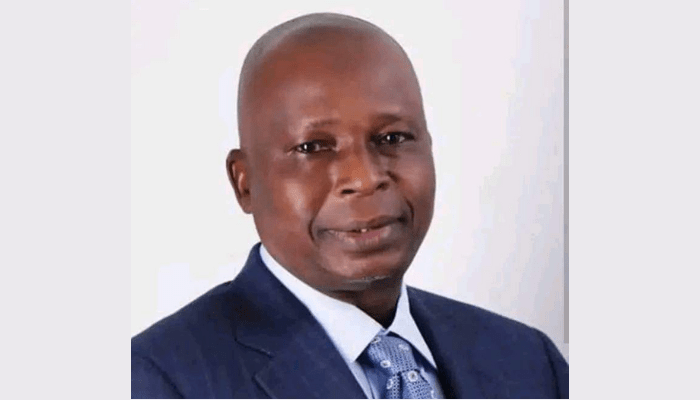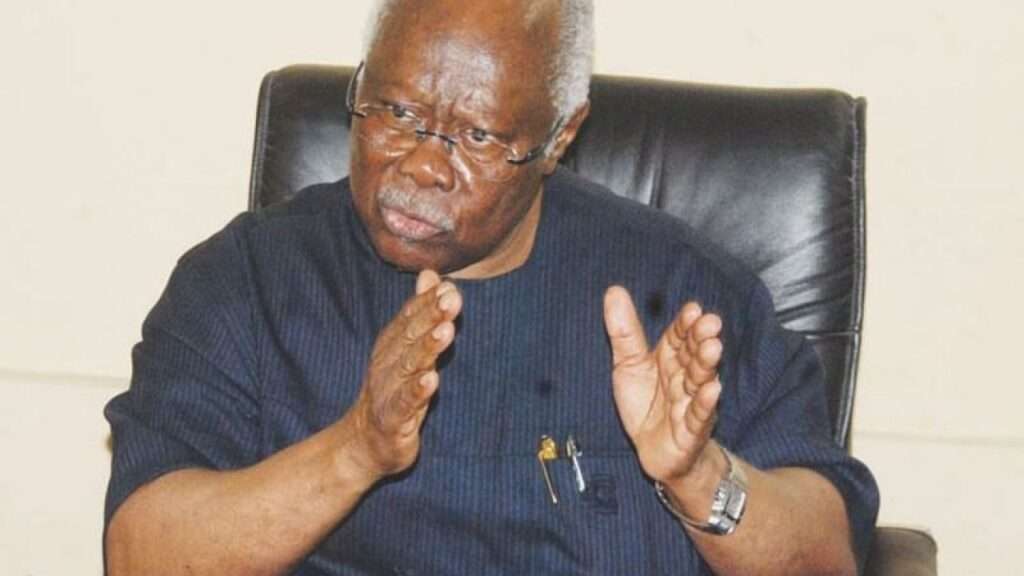
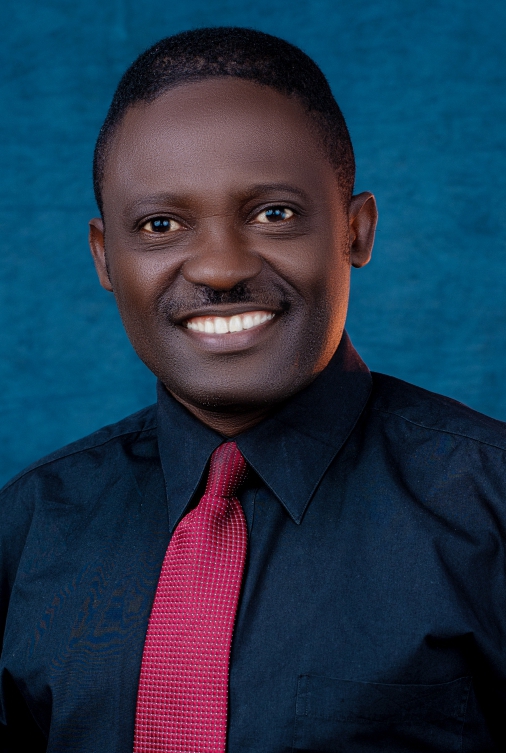
In this exclusive interview with Headlineswave.ng, public affairs analyst Hom. Steve Bond speaks on the controversial 60/40 power-sharing arrangement within the APC in Plateau State, warning that the exclusion of key stakeholders could trigger future political instability.
Headlineswave.ng:
There has been considerable debate over the APC’s 60/40 sharing formula in Plateau State. What is your assessment of the arrangement?
Hon. Steve Bond:
Democracy survives on two essential principles: majority rule and minority protection.
The 60/40 formula itself is not a bad idea. In fact, it was designed to accommodate the influx of political actors who joined the APC from different parties.
The challenge is not the formula but how it has been implemented.
Headlineswave.ng:
Can you explain what you mean by implementation?
Hom. Steve Bond:
The Governor’s bloc was allocated 60 percent of party positions, while the legacy APC bloc got 40 percent.
However, the Governor’s 60 percent bloc consists of both PDP and ADP members who migrated into the APC.
Reports from the congresses and primaries suggest that the PDP faction secured virtually all available positions while the ADP faction got nothing.
That raises serious concerns about fairness and inclusion.
Headlineswave.ng:
Why is that a problem politically?
Hon. Steve Bond:
Political mergers are built on trust. When one partner in an alliance is completely excluded, the arrangement loses legitimacy.
People who feel marginalized become less committed to the collective project. Over time, resentment grows, loyalty weakens, and instability follows.
That’s how political alliances begin to fracture.
Headlineswave.ng:
What message does this send to other political actors watching developments in Plateau?
Hom. Steve Bond:
The implications go beyond Plateau State. Opposition parties are watching. Potential defectors are watching.
Political leaders across the country are observing how the APC treats those who join its ranks.
If minority partners are excluded after helping to build a coalition, future alliances become much harder to negotiate.
Headlineswave.ng:
You mentioned the Governor’s role. What responsibility does Governor Caleb Mutfwang bear in this situation?
Hon. Steve Bond:
As the leader of the 60 percent bloc, he carries significant responsibility.
Political leadership is not just about winning primaries or controlling structures. It is also about ensuring fairness and maintaining unity.
A leader must govern all stakeholders within the coalition, not only those from his original political base.
Headlineswave.ng:
What are the dangers if the grievances are not addressed?
Hon. Steve Bond:
The biggest danger is fragmentation. Take the example of the sitting senator who reportedly emerged from the ADP bloc and now finds himself without a ticket.
Such a figure can become a rallying point for aggrieved members. If he leaves, he may not leave alone.
Political structures move with leaders, and that can create serious internal problems for the party.
Headlineswave.ng:
What practical steps should the APC take to resolve the issue?
Hon. Steve Bond:
First, there should be a transparent audit of how positions and tickets were distributed within the Governor’s bloc.
Second, the party must honor the spirit of its partnerships. If the ADP formed part of the 60 percent calculation, then its members deserve meaningful representation through party offices, appointments, and electoral opportunities.
Third, the legacy APC bloc’s 40 percent allocation must also be respected and protected.
Finally, the APC should establish a standing reconciliation and equity committee to address disputes arising from mergers and primaries before they become major crises.
Headlineswave.ng:
What is your final message to the APC leadership?
Hon. Steve Bond:
The purpose of political realignment should be consolidation, not conquest.
A formula intended to share power loses credibility when one group gets everything and another gets nothing.
A 60/40 arrangement that leaves key stakeholders completely excluded effectively becomes a 100/0 arrangement.
Majority rule may be the engine of democracy, but equity is the oil that keeps that engine running. Inclusion is not a favor granted to minorities; it is an investment in long-term stability.
Finally, the APC still has time to correct course and demonstrate that it understands this fundamental principle.
Interview conducted by Headlineswave.ng.