

Peter Obi Reportedly Leads as INEC Mock Election Results Upload Hits 60%
Headlineswave News Desk | Saturday, November 28, 2026
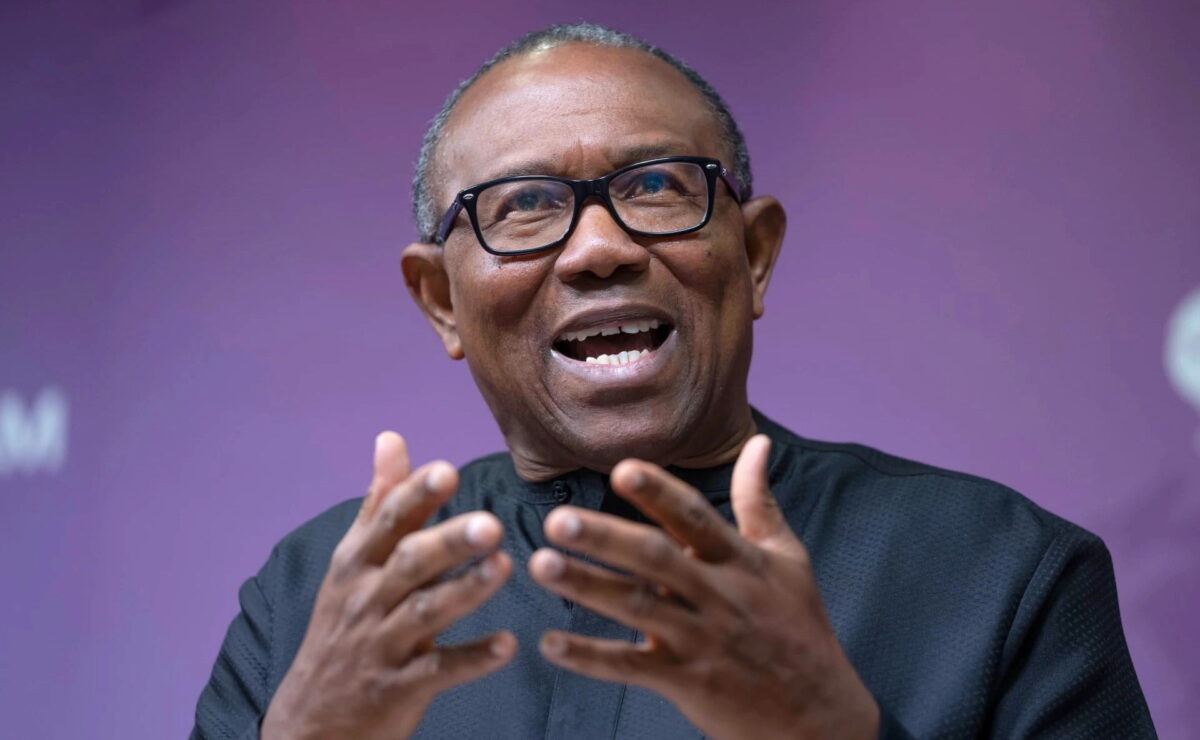
Reports suggesting that Peter Obi is leading an ongoing mock election exercise have generated interest among political observers, particularly as reports of uploaded results from Saturday’s nationwide electoral technology test by the Independent National Electoral Commission (INEC) continue to circulate.
The reports, which put the proportion of uploaded result sheets at approximately 60 per cent, have attracted attention against the background of growing political conversations ahead of Nigeria’s 2027 general elections.
However, it is important to distinguish between the percentage of polling-unit result sheets uploaded during the exercise and the votes supposedly recorded by individual political figures.
More Read

What is happening in INEC’s mock election exercise?
INEC conducted a nationwide mock accreditation and electronic results-transmission exercise on Saturday, November 28, 2026.
The exercise was designed to assess the readiness of the commission’s technological infrastructure, particularly the Bimodal Voter Accreditation System (BVAS) and the electronic transmission of polling-unit results to the INEC Result Viewing Portal (IReV).
More Read

The objective is to identify technical challenges, assess the efficiency of the systems and address possible weaknesses before the 2027 general elections.
Reports from the exercise indicated that a significant proportion of expected result sheets had been uploaded, with some accounts putting the figure at approximately 60 per cent.
Is Peter Obi actually leading?
Although claims circulating online suggest that Peter Obi is leading, Headlineswave’s verification has not established that the reported uploads represent votes cast for presidential aspirants.
INEC’s explanation of the exercise is particularly important. The commission’s Deputy Director of Voter Education and Publicity, Wilfred Ifogah, explained that the exercise was not a partisan election involving political parties and their candidates.
Plain ballot papers were to be used for testing the electoral technology rather than conducting a contest between presidential aspirants.
More Read

Why the exercise matters ahead of 2027
The significance of Saturday’s exercise goes beyond political speculation.
Nigeria’s electoral credibility has remained a major subject of public debate, particularly concerning the transparency of result transmission and the reliability of electronic accreditation.
For voters, political parties and election observers, the effectiveness of INEC’s technology will be an important factor in determining public confidence in the 2027 general elections.
A successful test would provide useful information about the commission’s level of preparedness, while identified technical problems would give INEC an opportunity to address them before the actual election.
Headlineswave’s position
Peter Obi remains a prominent figure in Nigeria’s evolving political landscape, and public interest in his political prospects ahead of 2027 is understandable.
Nevertheless, Headlineswave maintains that election-related claims must be supported by verifiable evidence.
The report that Obi is leading should therefore be treated as a claim, not an established outcome of INEC’s November 28 exercise.
Headlineswave will continue monitoring the exercise and subsequent clarifications from INEC.
This report distinguishes between claims circulating about Peter Obi’s alleged lead and the officially stated purpose of INEC’s nationwide mock exercise.
Sources: Independent National Electoral Commission (INEC); INEC Result Viewing Portal; reports by The Punch and other Nigerian news publications.