

Tinubu to UN: We Cannot Use a 1945 Model to Rule a 2026 World
Nigeria demands permanent African seats, including veto power, as Tinubu challenges the structure of global power
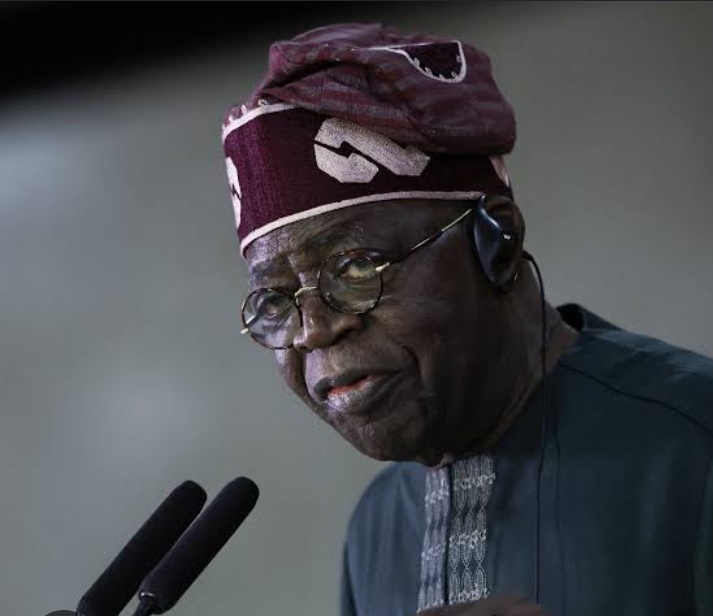
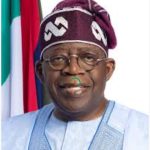
President Bola Ahmed Tinubu has challenged the United Nations to confront what Nigeria considers one of the biggest contradictions in the global system: attempting to govern a 2026 world with a distribution of power designed in 1945.
Speaking through Vice President Kashim Shettima at the 81st United Nations General Assembly in New York, Tinubu called for a fundamental reform of the UN Security Council, arguing that Africa cannot continue to be central to the Council’s agenda while remaining excluded from its permanent membership.
Nigeria is demanding at least two permanent seats for Africa, with the full rights and responsibilities of permanent membership, including veto power for as long as the veto remains part of the Council’s structure.
More Read
Nigeria is also seeking five non-permanent African seats, in line with the African Union’s Ezulwini Consensus and Sirte Declaration.
Why 1945 matters
The present permanent membership of the Security Council emerged from the power realities following the Second World War.
The five permanent members are China, France, Russia, the United Kingdom and the United States.
More than 80 years later, the world has changed dramatically.
Africa has grown from a continent largely under colonial rule in 1945 to a continent of more than 50 countries and a major bloc within the United Nations. Yet none of its countries has a permanent seat on the Security Council.
This creates a fundamental question: Can a global institution claim to speak for humanity when a continent of more than a billion people has no permanent voice in the room where some of the world’s most consequential security decisions are made?
UN Secretary-General António Guterres has also described Africa’s absence from permanent membership as unjust and indefensible, adding momentum to the longstanding African demand for reform.
HEADLINESWAVE ANALYSIS:
More Read

Why this matters to Africa—and Nigeria
At Headlineswave.ng, we see this debate as bigger than diplomatic language in New York.
A permanent African voice at the Security Council would not automatically solve Africa’s wars, poverty or development challenges. Representation alone cannot replace strong institutions, responsible leadership or effective diplomacy.
But where decisions are made matters.
Security Council decisions can influence international responses to wars, sanctions, peacekeeping operations and conflicts.
African countries are frequently affected by such decisions, while the continent remains without a permanent seat and veto power.
For Nigeria, the issue is particularly important.
Nigeria is Africa’s most populous country and one of the continent’s major political, economic and diplomatic players. It has also contributed personnel to international peacekeeping operations and has historically played significant roles in African diplomacy.
Yet Nigeria, like every other African country, remains outside the permanent membership of the body that has the strongest formal authority over international peace and security.
The question, therefore, is not simply whether Nigeria wants a seat.
The bigger question is whether the global system is prepared to give Africa a voice proportionate to its population, strategic importance and contribution to international affairs.
Reform must go beyond the Security Council
Tinubu’s UN address also touched on the need to reform the international financial architecture, improve access to development financing and address issues such as climate finance.
That is significant because global governance is not only about wars and military power.
For developing countries, decisions about debt, financing, climate funding and access to international capital can have consequences that eventually reach households, businesses and governments.
A country struggling with expensive borrowing, for example, has less fiscal space for infrastructure, healthcare, education and social investment.
This is where the UN reform conversation connects with everyday life.
The difficult part begins after the speech
Tinubu’s argument is not new. African governments and the African Union have pushed for Security Council reform for years.
The challenge is turning the demand into an agreement.
The permanent members themselves would have to support changes to the existing structure, while African countries would also have to maintain a common position on who should occupy the proposed African seats.
That means Nigeria’s diplomatic task goes beyond making a powerful speech.
It requires coalition-building across Africa, sustained engagement with other regions and a clear strategy for ensuring that any eventual African representation reflects the continent’s collective interests.
Headlineswave’s Take
The world of 2026 is undeniably different from the world of 1945.
The question of UN reform therefore deserves to be treated not as an African complaint but as a question about the legitimacy and effectiveness of global governance.
If an institution created after the Second World War is expected to manage today’s wars, economic crises, climate challenges, technological disruptions and geopolitical tensions, its decision-making structure must at least be open to serious reconsideration.
Africa should not merely be present when the world’s problems are discussed. It should have meaningful representation when the decisions are made.
For Nigeria, however, demanding a seat at the table must be accompanied by the diplomatic strength, economic credibility and institutional capacity required to use that seat effectively if it eventually comes.
Headlineswave.ng reports that the debate over UN reform is ultimately a debate over who gets to shape the rules of the world—and whether those rules still reflect the world we live in today.