

2027 Elections: Pat Utomi Accuses INEC of Advance Rigging, Warns of Possible Revolt Over Voters’ Register
Political economist calls for united opposition parties, international intervention and warns electoral manipulation could provoke public uprising
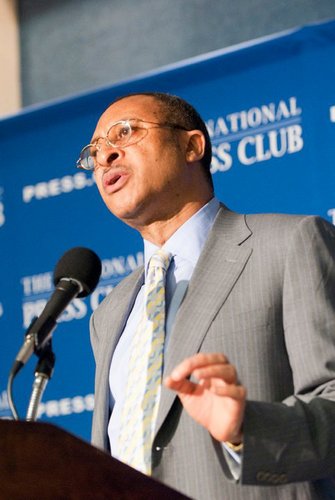
Professor of Political Economy, Pat Utomi, has raised a serious alarm over the credibility of Nigeria’s 2027 general elections, accusing the Independent National Electoral Commission (INEC) of creating conditions that could amount to advance rigging through alleged manipulation of the voters’ register.
Utomi, in a strongly worded statement published on his verified X account, @UtomiPat, on Tuesday, November 3, 2026, warned that growing public frustration over the commission’s handling of the electoral process could degenerate into widespread unrest if urgent steps were not taken.
Questioning INEC’s approach to technology, the political economist accused the commission of displaying distrust towards technology when it comes to uploading election results to its INEC Result Viewing Portal (IReV), while allegedly relying on technology in ways that could compromise the integrity of the voters’ register.
More Read

“INEC INEC INEC. They distrust technology when it comes to uploading results to the IREV but they trust to use it to confuse the voters register,” he wrote.
Utomi claimed that public anger was growing across the country, recounting that he could hardly walk through an airport without Nigerians approaching him to express concerns about what they perceived as advance rigging ahead of the 2027 elections.

He further alleged that some Nigerians were becoming so frustrated that they were threatening to take the law into their own hands.
Calls for Political Parties to Unite Against INEC
Worried about the possibility of anarchy, Utomi called on all political parties to put aside their differences and jointly demand a clean, credible and transparently displayed voters’ register.
He argued that the credibility of the electoral process must be protected before the elections rather than waiting until disputes emerge after voting.
Nigeria’s New Tax Rule Takes Effect: What Businesses and Taxpayers Need to Know
He also appealed to the international community, particularly countries and organisations supporting Nigeria’s electoral process, to alert INEC to the potential consequences of actions capable of undermining public confidence in the elections.
More Read

In one of the most striking portions of his statement, Utomi described the alleged electoral manipulation as the “moral equivalence of genocide” and called on the International Criminal Court (ICC) to be prepared to put INEC officials, from clerical personnel to the commission’s chairman, on trial.
His comments represent an exceptionally strong warning about the potential consequences of electoral malpractice.
However, any ICC prosecution would have to satisfy the court’s specific jurisdictional and legal requirements.
Invokes Stalin’s Warning About Those Who Count Votes
Utomi concluded his statement with a reference to the widely attributed observation associated with former Soviet leader Joseph Stalin that electoral outcomes are determined not merely by those who vote but also by those who count the votes.
He warned that those who manipulate election figures could underestimate the consequences of provoking public anger.
“They may have read Stalin that it is not those who vote but those who count the vote that determine elections, but they may be about to learn that those who miscount the votes may be statistics of revolutions stoked by the anger of the people,” he wrote.
INEC Under Pressure Over Voters’ Register
Utomi’s warning comes amid growing controversy surrounding suspected AI-generated photographs and other irregularities identified in INEC’s preliminary voters’ register.
On November 2, INEC disclosed that 268 records had been flagged for suspected AI-generated photographs and other irregularities, assuring Nigerians that questionable records were undergoing examination and cleanup ahead of the certification of the final register.
The commission has maintained that the online publication was a preliminary register, not the final certified document, and that its review process would address verified irregularities before certification.
With the 2027 general elections approaching, the controversy has intensified demands for transparency, accountability and stronger safeguards against electoral manipulation.
For Utomi, the central issue is not merely the accuracy of a database but the preservation of public confidence in Nigeria’s democracy.
Whether INEC can adequately address these concerns and restore confidence in the electoral process remains a major question ahead of the next general elections.
This report is based on Pat Utomi’s statement on his verified X account, a screenshot of the post supplied for verification, and independent media reports.
His allegations concerning INEC are attributed claims and have not been independently established as evidence of a deliberate plan to rig the 2027 elections.
INEC’s explanation concerning the preliminary voters’ register is also included for balance.
Sources: Pat Utomi (@UtomiPat), verified X account; Daily Post Nigeria (November 3, 2026); PUNCH (November 2, 2026); Headlineswave News Desk.