

Nigerians to Enjoy Transport Cost Reductions From October 1 – Tinubu
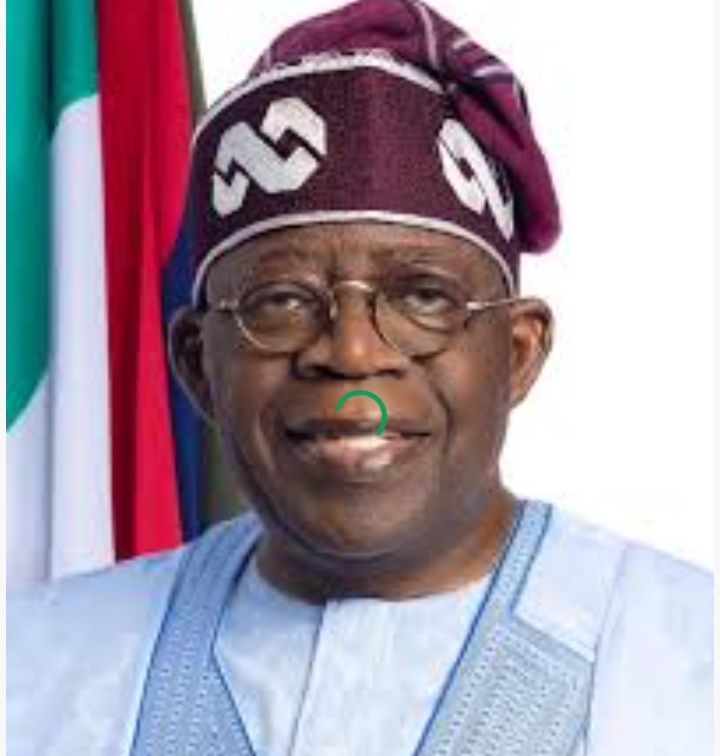
President Bola Ahmed Tinubu has said more Nigerians should begin to experience measurable reductions in transportation costs from October 1, 2026, as the Federal Government and state governments intensify the rollout of cheaper-energy transport programmes across the country.
The President made this known while giving an update on the National Affordable CNG Transit Programme, following an agreement reached with the 36 state governors during a meeting on August 27.
According to Tinubu, the objective is to ensure that savings from cheaper energy, particularly Compressed Natural Gas (CNG), are passed directly to commuters through lower transport fares.
He urged state governments to work with transport unions and commercial operators, support the conversion of vehicles to CNG, deploy alternative-energy buses and put the necessary infrastructure in place ahead of October 1.
More Read
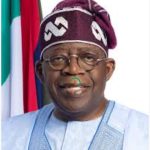
“This work has become even more urgent amid the current global energy crisis,” the President said.
What Nigerians should expect
The October 1 target is not a declaration of one fixed transport fare across Nigeria. Rather, it is a nationwide push for states and transport operators to expand existing interventions that can lower the cost of commuting.
More Read

Tinubu pointed to several states where cheaper-energy transport is already producing lower fares.
In Borno, CNG-powered and electric public transport services are carrying passengers for between ₦50 and ₦100 on routes where commercial operators charge between ₦300 and ₦600.
In Kaduna, 100 CNG-powered buses provide free transportation on major routes. The President said the buses carried about 3.2 million passengers in their first year and saved commuters more than ₦3.5 billion in transport costs.
In Oyo, the deployment of CNG buses to Pacesetter Transport reportedly reduced the Lagos-Ibadan fare from about ₦8,000 to ₦3,200 during the initial deployment.
Other examples cited by the President include Adamawa, where alternative-energy transport has reduced some fares by as much as 50 per cent, and Enugu, where the deployment of 100 CNG buses brought the Enugu-Nsukka fare from ₦2,500 to ₦1,500.
In Plateau State, government-supported buses reportedly carry about 13,000 commuters daily at ₦200, compared with more than ₦500 charged by commercial operators.
More Read
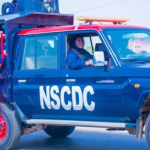
The Federal Government also cited reductions on some Abuja routes through its partnership with the National Union of Road Transport Workers. Fares on routes including Area 1-Gwagwalada, Nyanya and Wuse were cited as having fallen by about 40 per cent for passengers using CNG-converted vehicles.
More CNG vehicles on the road
Tinubu said Nigeria now has more than 120,000 vehicles converted to CNG, over 400 certified conversion centres and more than 90 CNG refuelling stations.
He said the Federal Government would continue supporting the expansion of CNG infrastructure and conversion capacity, while creating opportunities for states, transport operators, manufacturers and private investors to participate.
The President has also ruled out a return to the former petrol subsidy regime, arguing that Nigeria should instead accelerate the development of cheaper domestic energy alternatives.
As October 1 approaches, the responsibility now falls heavily on the states and transport operators to ensure that the savings generated through CNG and other alternative-energy initiatives actually translate into lower fares for commuters.
The Presidential Initiative on CNG also said on Wednesday that transport fare reductions had already begun in parts of the country, with further expansion expected.
For millions of Nigerians facing high transport costs, the key question from October 1 will therefore be simple: will the promised savings actually reach the passenger at the bus stop?
Headlineswave monitored the President’s official statement and reports from established Nigerian media organisations in preparing this report.
The October 1 target refers to measurable reductions through the National Affordable CNG Transit Programme; it does not mean that every transport route in Nigeria will automatically have the same fare reduction.