

Obi, Duke, Others Sign Peace Accord, Tinubu Represented, Atiku Absent as 2027 Presidential Campaign Begins
Nigeria’s 2027 presidential race has officially moved into campaign mode, with leading political parties and presidential candidates signing a National Peace Accord in Abuja ahead of the commencement of campaigns.
READ ALSO EXPLAINER: Why the NDC Did Not Participate In OSUN Governorship Election
The accord was signed on Tuesday, August 18, 2026, under the auspices of the National Peace Committee and in partnership with The Kukah Centre.
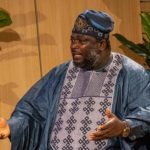
The ceremony brought together several political actors, including presidential candidates Donald Duke of People’s Republican Party(PRP), Peter Obi of the Nigeria Democratic Congress (NDC), Omoyele Sowore of the African Action Congress (AAC) and Adewole Adebayo of the Social Democratic Party (SDP).
More Read
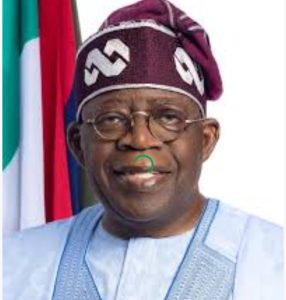
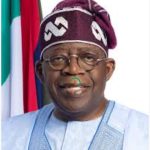
President Bola Ahmed Tinubu was represented at the event by the Secretary to the Government of the Federation, George Akume.
Former Vice President Atiku Abubakar and the African Democratic Congress (ADC) were notably absent from the ceremony.
Campaigns begin
More Read
The signing comes on the eve of the official commencement of campaigns for the 2027 presidential and National Assembly elections.
From Wednesday, August 19, political parties and their candidates will be permitted to begin their campaigns as the contest for votes enters a more intense phase.
The Independent National Electoral Commission (INEC) has fixed Saturday, January 16, 2027, for the presidential and National Assembly elections.
This means the major political camps now have months to take their messages directly to voters across the country.
What the peace accord means
The National Peace Accord commits political parties and candidates to peaceful and issue-based campaigns.
More Read
Political actors are expected to avoid violence, hate speech, personal attacks, ethnic and religious incitement, misinformation and other actions capable of undermining the electoral process.
INEC Chairman, Professor Joash Amupitan, described elections as a form of “competitive job interviews” before the electorate and urged politicians to make the 2027 contest a marketplace of ideas.
He called on candidates to explain how they intend to address major national challenges, including the economy, insecurity, education, healthcare and infrastructure.
Obi challenges politicians
Peter Obi, one of the leading opposition contenders, urged Nigerians to hold politicians accountable for their conduct during the election season.
Obi said candidates who violate the commitments contained in the peace accord should face the judgment of voters at the polls.
He also called for an election in which the votes of Nigerians would genuinely count, stressing that no Nigerian should lose their life because of an election.
The race is now on
With the peace accord signed and campaigns officially commencing on August 19, the political battle for 2027 is entering a decisive stage.
The coming months are expected to produce rallies, town-hall meetings, policy debates, political realignments and an aggressive battle for support across Nigeria’s six geopolitical zones.
For the electorate, the focus will increasingly shift from political manoeuvring to the promises and programmes being presented by the competing candidates.
The real test, however, will be whether the commitments made at the peace accord ceremony are respected throughout the campaign and ultimately reflected in the conduct of the January 16, 2027 election.
Read Also : “President Tinubu Calls Adeleke After His Re-Election Victory: Details of their Conversation Emerge