

Trump Signs Sweeping Sanctions Against Russia
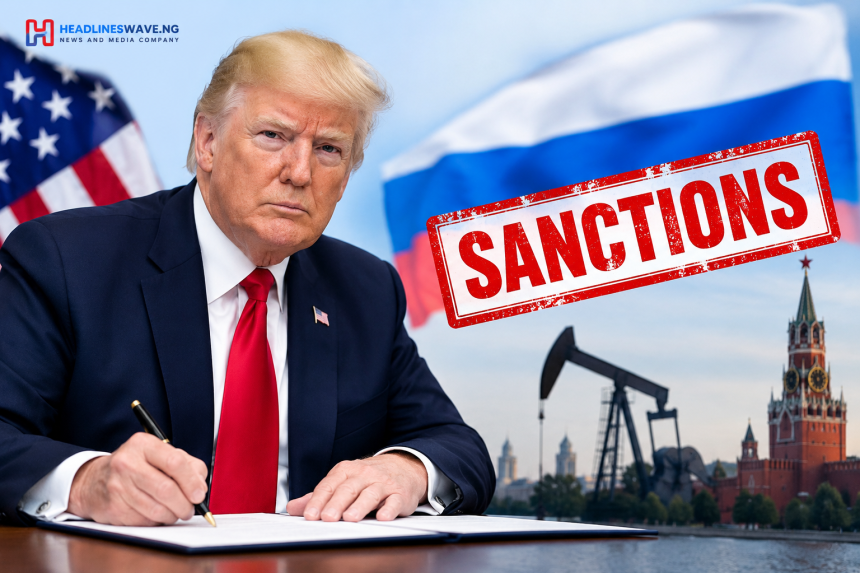
US President Donald Trump has signed into law a sweeping sanctions package targeting Russia over its ongoing war in Ukraine, significantly expanding Washington’s economic pressure on Moscow.
The legislation, known as the Lindsey O. Graham Sanctioning Russia and Iran Act of 2026, received strong bipartisan backing in Congress before Trump signed it into law on Friday, September 18.
The Senate approved the measure by 86 votes to 11, while the House of Representatives passed it 262–159.
What the new sanctions target
More Read

The legislation expands sanctions against Russian government officials, financial institutions, energy companies and defence-related entities.
It also targets vessels associated with Russia’s so-called “shadow fleet”, which Western governments accuse of helping Moscow transport oil while avoiding existing sanctions.
One of the most significant provisions gives the US president authority to impose tariffs of up to 100 per cent on goods from countries that purchase Russian oil and natural gas, subject to conditions and exemptions under the law.
More Read

The measure could therefore have wider implications for major buyers of Russian energy, including China and India.
The legislation also provides for tariffs of up to 500 per cent on certain Russian-origin goods entering the United States, although exemptions are provided for in the law.
Why the move matters
The new measures are intended to reduce Russia’s ability to generate revenue from its energy exports and increase the economic cost of continuing the war in Ukraine.
Their eventual impact, however, will depend largely on how the Trump administration exercises the new powers and which countries and entities are ultimately targeted.
Ukrainian President Volodymyr Zelenskyy welcomed the legislation and urged the United States to implement its provisions fully and quickly.
More Read

The law is named after the late Republican Senator Lindsey Graham, who had been a prominent advocate of tougher sanctions against Russia.
What it means for Russia’s oil buyers
The most consequential aspect of the new law could extend beyond Russia itself.
If Washington imposes substantial tariffs on countries that continue buying Russian energy, major economies such as China and India could face additional pressure to reconsider their energy trade with Moscow.
That could potentially affect global oil markets, international trade and the wider economic relationship between the United States, Russia and major Asian economies.
Headlineswave.ng will continue to monitor developments as the Trump administration begins implementing the new sanctions regime.
Sources: Reuters, Associated Press, Al Jazeera and US congressional records.

Headlineswave.ng reports and analyses information from credible and identifiable sources. Where facts are developing, updates are made as new verified information becomes available.