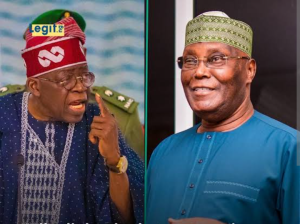


Akpabio vs Oshiomhole.
Fresh political tensions are unfolding in Nigeria’s Senate following a series of public remarks by Senator Adams Oshiomhole that have drawn attention to his increasingly strained relationship with Senate President Godswill Akpabio.
The development has sparked debate within political circles, with many observers wondering whether the Senate will apply the same standards used in previous disciplinary cases involving lawmakers who publicly challenged the leadership of the Red Chamber.
How the Rift Began
Signs of disagreement between Oshiomhole and Akpabio became more visible after the Senate amended its Standing Orders, introducing new requirements for lawmakers seeking key leadership positions in future assemblies.
More Read
Under the revised rules, only senators who have completed at least two consecutive terms would qualify to contest major offices such as Senate President, Deputy Senate President, and other principal positions.
Oshiomhole openly questioned the amendment and expressed concerns that the new arrangement could limit opportunities for qualified lawmakers in the future.
His objections reportedly marked the beginning of a growing divide between both political figures.
More Read
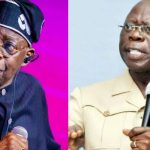
Oshiomhole Takes the Debate Beyond the Senate Chamber
The former Edo State governor later intensified his criticism during media appearances, where he raised concerns about the leadership style within the Senate.
In one widely discussed interview, Oshiomhole suggested that he was being unfairly targeted and claimed that several lawmakers privately shared concerns about the current direction of the Senate.
His comments quickly generated reactions across the political landscape, further fueling speculation about a power struggle within the upper legislative chamber.
NNPCL Probe Adds Another Layer
The tension also gained attention during Senate committee proceedings involving questions over financial records linked to the Nigerian National Petroleum Company Limited (NNPCL).
Oshiomhole took a strong position during discussions surrounding the investigation and supported efforts to compel certain former officials to appear before lawmakers.
More Read

His outspoken approach reinforced the perception that he was increasingly willing to challenge established positions within the Senate leadership.
A Familiar Pattern?
Political analysts have noted similarities between Oshiomhole’s situation and previous disputes involving lawmakers who publicly criticized Senate leadership.
Among them is Senator Natasha Akpoti-Uduaghan, whose disagreements with the Senate leadership became a major national issue.
Similar controversies also surrounded Senators Abdul Ningi and Ali Ndume after public comments that attracted reactions from both the Senate and their political party.
In each case, Senate leaders maintained that grievances should be addressed through internal parliamentary mechanisms rather than through the media.
The comparison has led to fresh questions about whether Oshiomhole could eventually face similar scrutiny.
Why Oshiomhole’s Case Is Different
Unlike many lawmakers who have previously clashed with Senate leadership, Oshiomhole remains one of the most influential political figures within the ruling All Progressives Congress (APC).
His political journey includes serving as a labour leader, governor of Edo State, national chairman of the APC, and now a senator.
These credentials make him a significant force within Nigerian politics and potentially a more difficult figure to confront politically.
What Happens Next?
At the moment, there is no official indication that disciplinary proceedings are being considered against Oshiomhole.
However, the public nature of the dispute has placed the Senate under increased scrutiny, especially regarding consistency in enforcing its rules and handling internal disagreements.
As political calculations ahead of the 2027 elections continue to take shape, the relationship between Akpabio and Oshiomhole is likely to remain a subject of national interest.
Conclusion
The unfolding disagreement between Senate President Godswill Akpabio and Senator Adams Oshiomhole has become one of the most talked-about developments in Nigeria’s political space.
Whether the matter ends through dialogue, reconciliation, or further confrontation remains uncertain.
What is certain, however, is that the controversy has raised important questions about leadership, accountability, and the future direction of the Senate.
For now, Nigerians will be watching closely to see how events unfold in the coming weeks.
headlineswave.ng/ Credibility Note: This report is published in line with our commitment to verified, accurate, and responsible journalism.
Readers are encouraged to rely on official statements and credible sources as developments continue to emerge.