

Peter Obi’s Broadside Rocks Political Establishment at Jonathan Democracy Dialogue in Bauchi
Former presidential candidate, , has stirred fresh debate over the state of Nigeria’s democracy after delivering a scathing critique of the nation’s political and institutional landscape at the Goodluck Jonathan Democracy Dialogue in Bauchi.
In remarks that have since reverberated across the country’s political space, Obi lamented what he described as the erosion of democratic values and the growing compromise of institutions traditionally entrusted with safeguarding the integrity of elections and governance.
“Professors now rig elections for illiterates. Religious leaders pray for criminals to win elections. Judges now sing, ‘On Your Mandate We Stand,’”
Obi declared, drawing applause from some participants and sparking intense reactions from others.
More Read

The former Anambra State governor argued that democracy cannot thrive when institutions expected to uphold neutrality and accountability become partisan actors in the political process.
According to him, the credibility of elections, the independence of the judiciary, and the moral authority of religious bodies are all critical pillars that must remain above political manipulation.
Obi warned that Nigeria risks undermining its democratic foundations if electoral processes continue to lose public trust and if institutions charged with protecting the will of the people are perceived as serving vested interests rather than the nation.
More Read
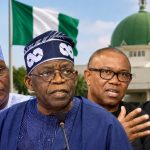
His comments appeared to reflect growing public concerns over election integrity, judicial pronouncements on electoral disputes, and the increasing involvement of influential religious figures in partisan political campaigns.
Political observers say the remarks have reignited conversations about the role of academia, faith-based organizations, and the judiciary in strengthening democratic governance.
Supporters of Obi have hailed the comments as a courageous assessment of Nigeria’s democratic challenges, while critics argue that such sweeping statements risk further polarizing an already divided political environment.
The Democracy Dialogue, held in honour of former President , was designed to examine the health of democratic institutions and governance in Nigeria.
However, Obi’s blunt intervention quickly became one of the defining moments of the event.
As reactions continue to pour in, the debate sparked by Obi’s comments is likely to intensify scrutiny of Nigeria’s democratic institutions and renew calls for reforms aimed at restoring public confidence in the electoral process, the judiciary, and other key pillars of governance.
More Read
Read Also : 10 Major Headlines That Dominated The Week (August 9–15, 2026)