

Federal Government Unveils 90-Day Cost-of-Living Action Plan: What Nigerians Need to Know
Nigeria’s National Economic Council (NEC) has endorsed a 90-day economic action plan aimed at easing the cost-of-living burden on Nigerians, as the Federal Government seeks to translate its economic reforms into tangible improvements in household welfare.
The plan was presented by the Minister of Finance and Coordinating Minister of the Economy, Taiwo Oyedele, during the council’s 161st meeting on Thursday, October 22, chaired virtually by Vice-President Kashim Shettima.
According to reports by Channels Television, Premium Times and TheCable, the initiative focuses on five priority areas: food affordability, tax harmonisation, completion of high-impact projects, removal of investment bottlenecks and regulated household support.
However, while the council has endorsed the framework, the government has yet to publicly provide a comprehensive implementation schedule detailing the specific benefits individual households can expect, the amount of funding involved and the criteria for accessing any direct assistance.
More Read

What Is Tinubu’s 90-Day Cost-of-Living Plan?
The initiative is a short-term economic action framework proposed by the Federal Ministry of Finance to consolidate the gains the Tinubu administration says it has recorded through its economic reforms.
Its central objective is to make improvements in the broader economy more visible in the daily lives of ordinary Nigerians, particularly through more affordable food, better access to essential services, reduced transportation costs and improved economic opportunities.
More Read

The plan also seeks stronger coordination between the Federal Government and state governments, recognising that several factors affecting household expenses fall within the responsibilities of different levels of government.
Here are the five major areas and what they could mean for Nigerians.
1. Food Affordability: Will Market Prices Come Down?
Food affordability is one of the plan’s principal priorities.
For millions of Nigerian households, the cost of basic food items remains a major concern because food expenses compete with transport fares, rent, school fees, healthcare and other essential needs.
The government’s stated objective is to improve food affordability, but the publicly reported framework does not yet provide specific price-reduction targets for rice, beans, garri, maize, cooking oil or other household staples.
More Read
For the initiative to produce measurable results, Nigerians will need to see improvements in food supply chains, transportation from farms to markets, storage facilities and access to affordable agricultural inputs.
What Nigerians should watch: Whether market prices actually fall, whether more food becomes available and whether households can purchase more with their existing incomes.
An announcement about food affordability is not, by itself, evidence that food prices have declined.
2. Tax Harmonisation: What Does It Mean for Households and Businesses?
The second priority is tax harmonisation, which involves improving coordination and consistency in tax administration across relevant authorities.
Poorly coordinated taxes, multiple levies and overlapping charges can increase operating costs for businesses, traders, manufacturers and service providers.
If implemented effectively, harmonisation could reduce unnecessary compliance burdens and make the tax system easier to navigate, particularly for small businesses.
However, the NEC announcement has not provided a detailed list of taxes or levies that will be harmonised under the 90-day programme.
It is therefore too early to conclude that the plan will automatically reduce personal income tax, remove market levies or lower prices across the economy.
The important test will be whether the measures reduce unnecessary costs without undermining essential public revenue.
3. Completion of High-Impact Projects
The third priority is accelerating the completion of projects capable of delivering direct benefits to citizens.
Such projects could improve access to transportation, healthcare, economic infrastructure and other essential services, depending on which projects are selected for accelerated delivery.
The NEC has also approved a national dashboard to track ongoing projects across the federation.
The proposed dashboard is intended to strengthen transparency and accountability, including reporting on how proceeds from petrol subsidy removal are being utilised.
This is significant because Nigerians need more than announcements about public spending. They need clear information about the projects receiving funding, the amounts committed, their completion status and the benefits delivered to communities.
Nevertheless, the publicly available announcement does not provide a complete list of projects scheduled for completion within the 90-day period.
4. Removing Investment Bottlenecks to Create Jobs
The fourth priority is resolving obstacles that prevent investment and economic activities from expanding.
Businesses may face difficulties arising from regulatory delays, infrastructure constraints, financing challenges and inconsistent administrative requirements.
Removing such obstacles could encourage investment, support business expansion and create employment opportunities.
However, investment commitments do not automatically translate into jobs or higher household incomes.
The results will depend on whether businesses actually expand, whether new employment opportunities emerge and whether workers receive incomes that can keep pace with essential expenses.
For ordinary Nigerians, the practical measure of success will be whether economic activity produces more jobs, stronger purchasing power and improved opportunities for small businesses.
5. Regulated Household Support
The fifth priority is regulated household support, intended to help translate economic reforms into measurable improvements in household welfare.
This is particularly important for vulnerable households and people whose incomes have been severely affected by rising living expenses.
However, the announcement does not yet specify the precise form of the support, the amount beneficiaries may receive, the eligibility requirements or the timetable for distribution.
It would therefore be premature to describe the initiative as a confirmed cash-transfer programme or promise that every Nigerian household will receive financial assistance.
The government will need to explain how beneficiaries will be identified, how funds or other forms of support will be distributed and what safeguards will prevent diversion or political favouritism.
A Major Test of the Plan
Beyond the five priority areas, the NEC also addressed the National Affordable Compressed Natural Gas (CNG) Transit Programme.
The council resolved to establish a joint financing framework between the Federal Government and state governments to accelerate the deployment of compressed natural gas and electric vehicles.
It also stressed that the initiative must deliver tangible benefits through lower transport costs, rather than simply increasing the number of alternative-energy vehicles on the roads.
The council agreed that relevant authorities should engage transport unions and operators to ensure that savings from adopting CNG and electric vehicles are passed on to commuters through reduced fares.
This is an important distinction: introducing cheaper vehicle technology will not necessarily make public transport more affordable unless operators pass the savings to passengers.
For workers, traders, students and other commuters, the outcome will be determined by the fares they actually pay.
Government Targets Single-Digit Inflation by 2027
During the presentation, Oyedele identified reducing headline inflation and interest rates to single digits by 2027 as key policy objectives.
The government expressed optimism about the progress of its economic reform programme and the prospects for further economic recovery.
However, these are policy objectives, not guaranteed outcomes.
Inflation measures the rate at which prices rise. Even if inflation declines, that does not necessarily mean prices will return to their previous levels. It may simply mean that prices are rising more slowly.
For households, the difference is crucial. A family struggling to afford food today may still face high prices even if the inflation rate falls.
The real test is whether incomes improve relative to household expenses and whether essential goods and services become more affordable.
What Does the Plan Mean for Ordinary Nigerians?
The 90-day initiative could provide a framework for addressing several pressures affecting households and businesses. Its actual impact, however, will depend on implementation.
Nigerians should look for measurable results in five areas:
Food: Are prices of basic staples becoming more affordable?
Transport: Are commuters paying lower fares?
Employment: Are businesses expanding and creating jobs?
Household support: Are eligible beneficiaries receiving clearly defined assistance?
Accountability: Can citizens verify how public funds are being spent and which projects are being delivered?
These indicators would provide a more meaningful assessment of the initiative than official announcements alone.
The Unanswered Questions
Although the NEC has endorsed the plan, important details remain outstanding in the publicly reported framework.
These include the precise commencement and completion dates, the funding allocation, the agencies responsible for individual targets, the projects to be prioritised and the criteria for household support.
The national monitoring dashboard could help improve transparency, but its usefulness will depend on whether the public can access timely and sufficiently detailed information.
The government will also need to clarify how progress will be measured and what corrective action will follow if targets are missed.
Can 90 Days Make a Difference?
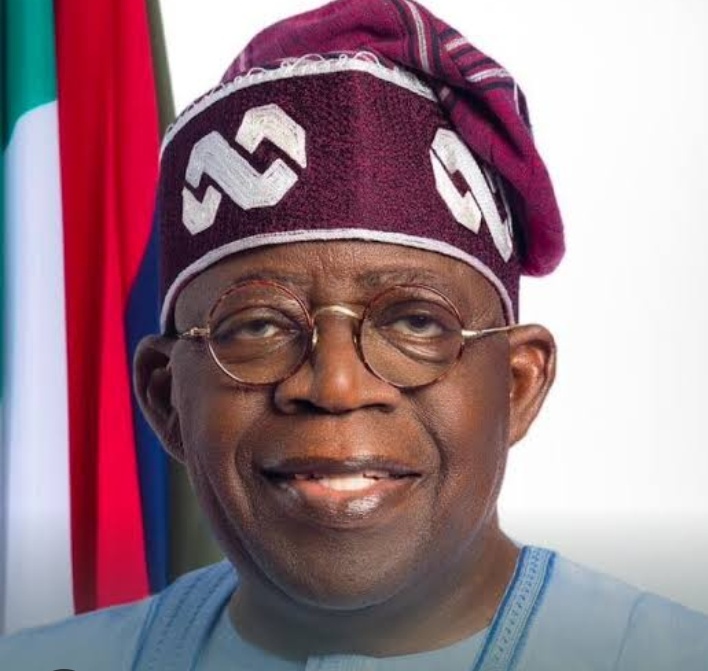
President Bola Tinubu’s government has placed cost-of-living relief at the centre of a new 90-day economic action framework endorsed by the National Economic Council.
The initiative addresses issues that directly affect Nigerian households, including food affordability, transportation, business costs, investment and social support.
But endorsement is only the beginning. The decisive question is whether the framework produces visible improvements within the stated period.
For a family struggling to feed its children, a trader facing rising operating costs or a worker spending a large share of monthly earnings on transportation, the success of the plan will be measured in practical terms: what becomes cheaper, what income improves and what assistance actually reaches those who need it.
Until the government publishes detailed targets, funding arrangements and implementation milestones, Nigerians should distinguish between the plan’s stated objectives and benefits that have already been delivered.

This report is based on published coverage of the National Economic Council’s 161st meeting by Channels Television, Premium Times and TheCable on October 22–23, 2026.
The distinction between announced policy objectives and confirmed implementation outcomes has been maintained.
Details not established in the publicly reported framework have not been presented as confirmed government commitments.